If you are exploring Transcranial Magnetic Stimulation as...Read More
If you are exploring Transcranial Magnetic Stimulation as a treatment option in New York, you are likely doing so because standard approaches have not delivered the relief you hoped for. TMS therapy is increasingly sought by adults who want a non-invasive, medication-free option backed by neuroscience and clinical research.
For many people, the first challenge is knowing where to begin and how to evaluate a provider. Searching for a TMS clinic near me NY often brings up dozens of options, each claiming expertise. This guide explains how TMS works, who it may help, and what to look for when choosing a clinic in New York.
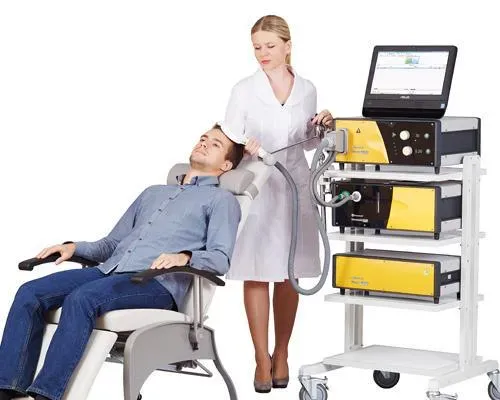
TMS is a non-invasive treatment that uses focused magnetic pulses to stimulate specific areas of the brain involved in mood regulation. These pulses activate under-responsive neural circuits associated with depression and related conditions.
Treatment sessions are performed on an outpatient basis and do not require anesthesia or sedation. Patients remain awake and can return to normal activities after each visit. TMS is FDA-cleared for major depressive disorder and is commonly used for individuals who have not responded adequately to antidepressant medications.
Most people who pursue TMS have already tried traditional treatments such as medication or talk therapy without achieving meaningful improvement. Others are looking for options that avoid systemic medication effects.
TMS may be appropriate for adults experiencing:
A qualified provider evaluates each patient individually to determine whether TMS is a suitable option based on medical history and current symptoms.
Choosing the right clinic matters. Outcomes depend on accurate targeting, appropriate protocols, and ongoing clinical oversight.
When reviewing a TMS provider in New York, focus on:
A reputable clinic will take time to explain how treatment works and what results may look like over the course of care.
TMS treatment usually begins with an initial consultation and mapping session. During this visit, clinicians identify the precise brain area to target and set stimulation levels tailored to the individual.
Treatment sessions are brief and typically occur five days per week over several weeks. Many patients report gradual improvement rather than immediate change, with benefits building across the course of treatment.
Consistency plays a role in successful TMS outcomes. For that reason, proximity and scheduling flexibility are practical factors when selecting a provider. Searching for a “TMS clinic near me NY” is often less about convenience and more about making it easier to complete the full course of care without disruption.
New York patients benefit from access to clinics that specialize in brain-based treatments and operate within established clinical standards.
TMS is not positioned as a quick fix. It is a structured medical treatment with a defined course and measurable goals. While many patients experience meaningful symptom reduction, results vary, and progress is monitored throughout care.
A qualified clinic will discuss expected timelines, potential sensations during treatment, and how progress is evaluated over time.
Deciding to pursue TMS treatment is a personal decision, often made after years of searching for relief. The right clinic does more than provide technology. It offers clarity, clinical expertise, and a treatment plan built around the individual.
If you are considering TMS in New York and want a thoughtful starting point, connecting with a clinic like Village TMS, which focuses exclusively on brain-based care, can help you move forward with confidence. A professional consultation can clarify whether TMS aligns with your needs and what the next steps should be.


Take this next step, we’ll help with the others.
TMS is FDA-cleared for major depressive disorder and is frequently used for treatment-resistant depression. Some clinics also provide TMS-based protocols for conditions such as OCD, anxiety symptoms related to mood disorders, and certain cognitive regulation challenges. Eligibility depends on clinical evaluation and individual history.
Yes. TMS does not involve systemic medication and does not require sedation or anesthesia. Many patients seek TMS because they want an option that does not add or change psychiatric medications. Treatment occurs while the patient is awake and alert.
Most TMS treatment plans involve sessions five days per week over several weeks. The exact length varies depending on the protocol used and how symptoms respond over time. Progress is evaluated throughout treatment to guide care decisions.
Patients often describe a tapping or clicking sensation on the scalp during stimulation. Sessions are generally well tolerated, and discomfort is usually mild and temporary. Clinicians adjust settings as needed to maintain comfort.
Some clinics accept self-referrals, while others coordinate care with existing mental health providers. A consultation is required to determine candidacy and review medical history before starting treatment.
If you are exploring Transcranial Magnetic Stimulation as...Read More
Ketamine assisted therapy has gained attention as a...Read More
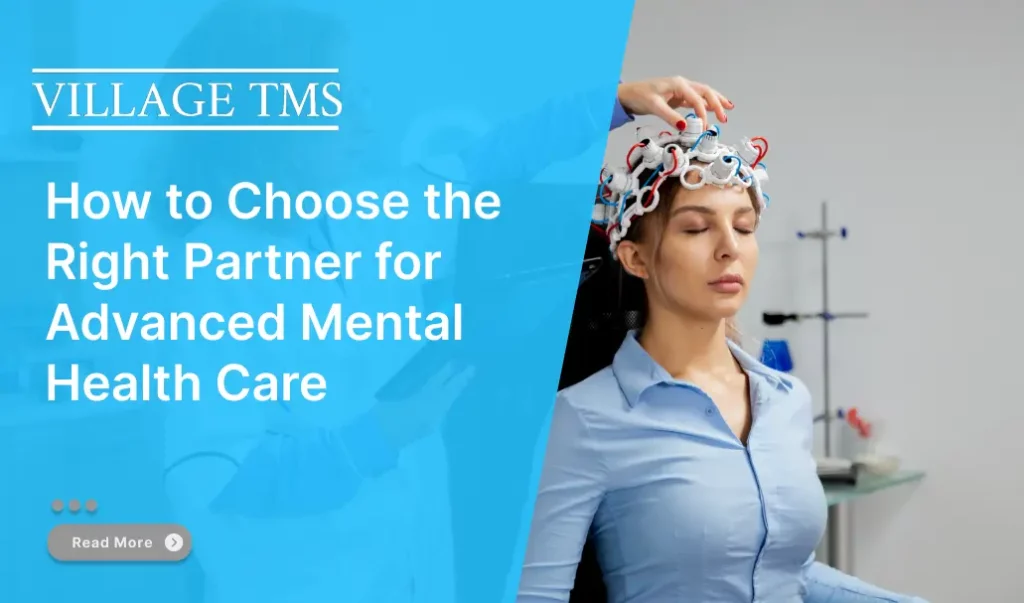
Finding reliable TMS providers near me is no...Read More
Anxiety disorders affect millions of adults across New...Read More
Bipolar depression affects daily performance, long-term planning and...Read More
Living with attention challenges affects more than focus....Read More
We use cookies to improve your experience on our site. By using our site, you consent to cookies.
Manage your cookie preferences below:
Essential cookies enable basic functions and are necessary for the proper function of the website.
These cookies are needed for adding comments on this website.
Google reCAPTCHA helps protect websites from spam and abuse by verifying user interactions through challenges.
Google Tag Manager simplifies the management of marketing tags on your website without code changes.
You can find more information in our Cookie Policy and Privacy Policy.