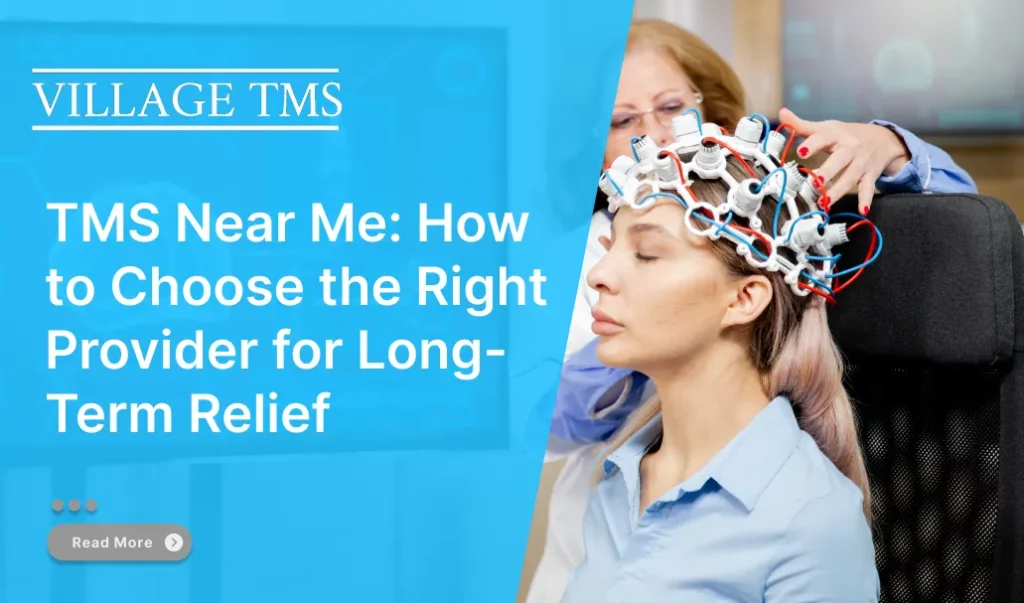
When you type “TMS near me” into Google, you’re probably not just searching for the closest clinic, you’re searching for hope. For many people living with major depression, treatment-resistant depression, or other mental health conditions, Transcranial Magnetic Stimulation (TMS) offers real, lasting relief when medication has failed.
But finding the right TMS provider isn’t always straightforward. How do you know which clinics deliver truly effective care and which simply advertise convenience? Let’s break down what to look for and why choosing wisely can change everything about your recovery journey.
TMS, short for Transcranial Magnetic Stimulation, is a non-invasive procedure that uses gentle magnetic pulses to stimulate underactive areas of the brain involved in mood regulation, particularly the prefrontal cortex.
Think of it like jump-starting the brain’s electrical network. These magnetic fields interact with nerve cells and brain cells to help rebalance neural activity disrupted by depression symptoms or mood disorders.
Over several TMS sessions, the brain begins forming healthier pathways, improving motivation, focus, and emotional stability. Clinical research and numerous clinical trials have confirmed that TMS offers an effective treatment for major depressive disorder, obsessive-compulsive disorder, and even chronic pain, all without medication side effects.
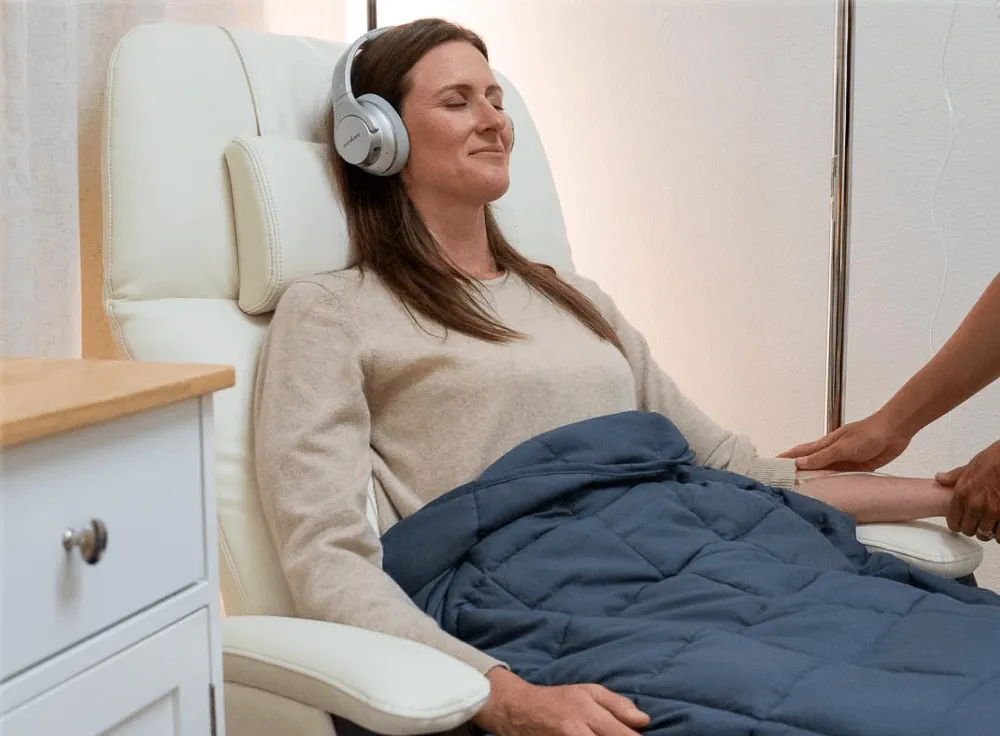
It’s tempting to pick the closest clinic on Google Maps, but location is only one piece of the puzzle. Here’s what really matters when evaluating your options:
Always ensure your provider is overseen by a board-certified psychiatrist trained in Interventional Psychiatry. This ensures your treatment course is personalized, safe, and backed by science rather than protocol alone.
Ask about clinical trials, success rates, and patient feedback. A quality Treatment Center will discuss outcomes openly, explain side-effects of TMS honestly, and tailor the approach to your needs, not just the textbook average.
TMS works best as part of a holistic plan. The top clinics integrate Psychiatric Care, therapy, and medication management for complex cases like treatment-resistant depression or bipolar disorder.
Before booking, confirm insurance coverage with your insurance provider or network provider. Many insurers, including major ones like United Healthcare, now recognize TMS as a medically necessary outpatient procedure for severe cases of depression.
Choosing a clinic that feels welcoming and empathetic matters. A good provider explains how TMS stands apart from older approaches like electroconvulsive therapy, walks you through what to expect, and supports both you and your loved one every step of the way.

Your first step is an evaluation to confirm that TMS is appropriate for your diagnosis, such as major depression or treatment-resistant depression.
From there, you’ll attend daily sessions for about six weeks. Each visit lasts 15–20 minutes, no anesthesia, no downtime. The TMS device sends focused magnetic pulses to the brain’s prefrontal cortex, helping regulate mood disorders and emotional control.
Most people describe it as a light tapping sensation. A few experience mild scalp tenderness or fatigue, but these side-effects of TMS are temporary. Over time, patients often report gradual symptom relief, clearer thinking, and restored motivation.
Unlike antidepressant medications, which flood the body with chemicals, TMS targets the source directly, the brain’s communication network.
By modulating how brain cells and nerve cells interact, TMS enhances the brain’s natural ability to repair itself. It has shown strong results for those with severe depression who didn’t respond to medications.
In fact, studies reviewed by the U.S. Food and Drug Administration (FDA) show that TMS offers a measurable benefit for people who had failed at least one antidepressant. For many, this becomes their first step toward sustainable recovery.
Choosing a TMS provider isn’t just about proximity, it’s about partnership. The right clinic will guide you through treatment with expertise, compassion, and transparency, ensuring your care is as individualized as your recovery journey. With proven science and growing accessibility, TMS is helping more people rediscover stability, clarity, and hope.
If you’re ready to learn more about how this therapy can help you move forward, explore TMS treatment options near you and take the next step toward lasting relief.
Take this next step, we’ll help with the others.
TMS stands for Transcranial Magnetic Stimulation, a non-invasive procedure that uses gentle magnetic pulses to stimulate specific areas of the brain involved in mood regulation. It’s FDA-approved for major depressive disorder and often used when antidepressant medications haven’t worked. By targeting the prefrontal cortex, TMS helps restore healthy brain function, offering lasting symptom relief for individuals struggling with treatment-resistant depression and other mental health conditions.
While both are brain stimulation therapies, TMS and electroconvulsive therapy (ECT) work very differently. TMS is a non-invasive procedure performed while you’re awake, using a magnetic field to stimulate the brain. ECT, in contrast, requires anesthesia and induces a brief seizure, often leading to temporary memory loss. TMS has minimal side-effects, no recovery time, and is preferred for those seeking a gentler, more targeted treatment option for major depression or treatment-resistant depression.
Yes. Although TMS is best known for treating major depressive disorder, ongoing clinical trials and case studies show benefits for other mood disorders like bipolar disorder, obsessive-compulsive disorder (OCD), and even chronic pain. By stimulating the prefrontal cortex, TMS helps rebalance neural circuits linked to mood, anxiety, and repetitive thoughts. While not a cure, it’s an effective treatment that can complement therapy and medication, especially in Treatment Centers offering Interventional Psychiatry services.
A typical treatment course involves 20–36 TMS sessions over four to six weeks, depending on your diagnosis and how your brain responds. Each session lasts around 20 minutes and is done as an outpatient procedure, meaning there’s no need for sedation or downtime. Many patients begin noticing improvement in depression symptoms after the first few weeks, with results continuing to build. Some may choose maintenance sessions to preserve long-term symptom relief and mood stability.
Most patients experience only mild side-effects of TMS, such as scalp discomfort, slight headache, or tingling sensations at the stimulation site. These effects typically fade within minutes or hours. Unlike antidepressant medications, TMS has no systemic side effects like weight gain or fatigue. It’s also safer than electroconvulsive therapy, with no anesthesia, memory loss, or downtime required. As a non-invasive procedure, TMS allows you to resume normal activities immediately after treatment.
We use cookies to improve your experience on our site. By using our site, you consent to cookies.
Manage your cookie preferences below:
Essential cookies enable basic functions and are necessary for the proper function of the website.
These cookies are needed for adding comments on this website.
Google reCAPTCHA helps protect websites from spam and abuse by verifying user interactions through challenges.
Google Tag Manager simplifies the management of marketing tags on your website without code changes.
You can find more information in our Cookie Policy and Privacy Policy.