If you have tried antidepressants, adjusted the dosage, switched medications, added therapy, and still feel stuck, you are not alone. For many people in New York City, depression treatment becomes a cycle of hope followed by disappointment.
You might feel partial relief but not enough to function the way you used to. Or you may struggle with side effects like weight changes, fatigue, or emotional blunting. At some point, a common question comes up: what happens when medication is not enough?
Modern depression treatment is no longer limited to prescriptions and talk therapy. Advances in neuroscience have introduced brain stimulation therapies that target the neural circuits involved in mood regulation. For some patients, these approaches represent the next step when traditional care has not delivered meaningful improvement.
At Village TMS in New York, depression care is approached with a clear understanding that medication is one option, not the only one.
Antidepressants are often the first-line depression treatment. They can be life-changing for many people. But they do not work for everyone.
Studies show that a substantial percentage of individuals with major depressive disorder do not achieve full remission with their first medication. Some require multiple trials. Others experience treatment-resistant depression, defined as persistent symptoms despite adequate medication attempts.
There are several reasons this happens:
For patients who continue to experience low mood, poor concentration, sleep disturbance, or lack of motivation despite medication, it may be time to reassess the approach.

To understand alternative depression treatment options, it helps to shift the framework.
Depression is not simply about serotonin levels. Brain imaging studies show altered activity in specific regions, especially the left dorsolateral prefrontal cortex and its connections to limbic structures such as the amygdala.
In many people with chronic depression:
This circuit-based model explains why adjusting neurotransmitters alone does not always resolve symptoms. If the underlying network remains dysregulated, mood symptoms can persist.
This is where brain stimulation therapies enter the conversation.
Brain stimulation therapies aim to directly influence the neural circuits involved in mood regulation.
Transcranial Magnetic Stimulation, often called TMS therapy, is FDA-cleared for major depressive disorder. It uses focused magnetic pulses to stimulate underactive regions of the brain, particularly the left prefrontal cortex.
TMS is:
Over a course of daily sessions, typically four to six weeks, repetitive stimulation promotes neuroplasticity. The goal is to strengthen healthy neural pathways and restore more balanced brain activity.
For patients who have not responded to medication, TMS has become an increasingly recognized next-line depression treatment in New York.
Ketamine therapy is another option for certain patients, particularly those with severe or urgent symptoms.
Ketamine works differently from traditional antidepressants. It targets the glutamate system and can produce rapid antidepressant effects in some individuals. It may also promote synaptic growth and connectivity.
At a specialized psychiatric practice, TMS and ketamine therapy are evaluated carefully based on symptom profile, history, and safety considerations.
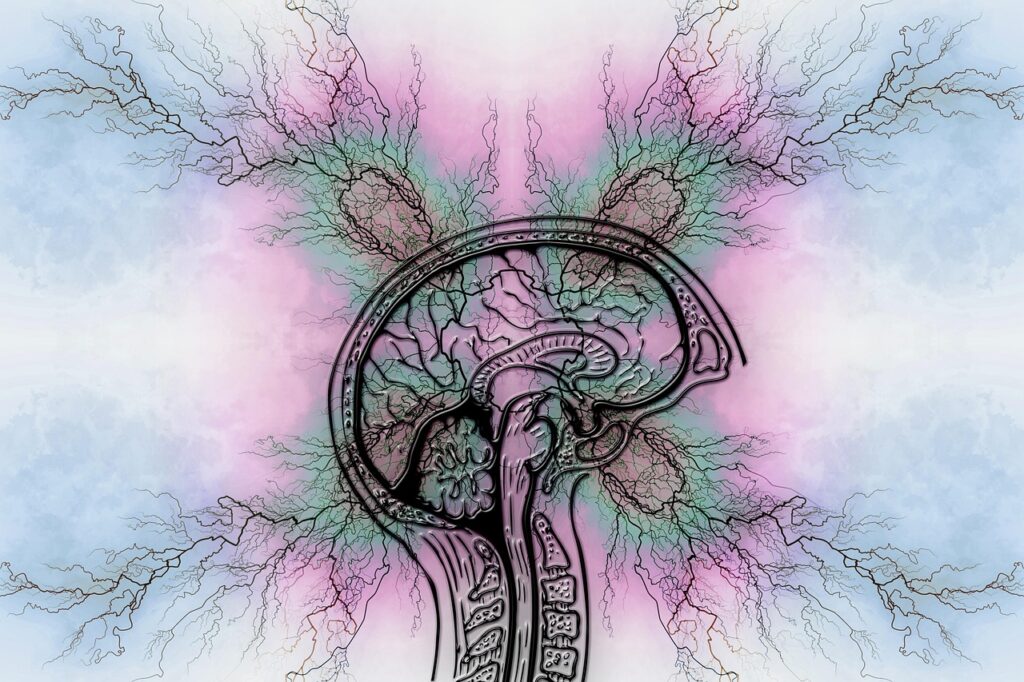
Many patients want to know what actually happens during TMS-based depression treatment.
During each session, a magnetic coil placed on the scalp delivers targeted pulses. These pulses generate small electrical currents in the underlying brain tissue.
Repeated stimulation leads to:
This process is rooted in neuroplasticity, the brain’s ability to reorganize and strengthen connections. Instead of altering chemistry systemically, TMS influences specific circuits involved in mood regulation.
For patients who feel emotionally numb or persistently fatigued despite medication, this targeted approach can offer a different path.
Not every patient needs brain stimulation as part of their depression treatment. However, it may be appropriate if you:
A psychiatric evaluation is necessary to determine candidacy. Factors such as medical history, current medications, and symptom severity are reviewed carefully.
In New York City, where high stress and fast-paced lifestyles can intensify depressive symptoms, access to advanced treatment options allows for more individualized care.
Many people hesitate because brain stimulation sounds intimidating. In reality, modern TMS therapy is far from the outdated stereotypes associated with older psychiatric procedures.
TMS does not involve electrical shocks. It does not require sedation. Patients remain awake and can return to work immediately after sessions.
The most common side effects include mild scalp discomfort or a temporary headache. Serious complications are rare when performed by trained professionals.
When integrated thoughtfully into a broader treatment plan, brain stimulation becomes one tool among many in comprehensive depression treatment.
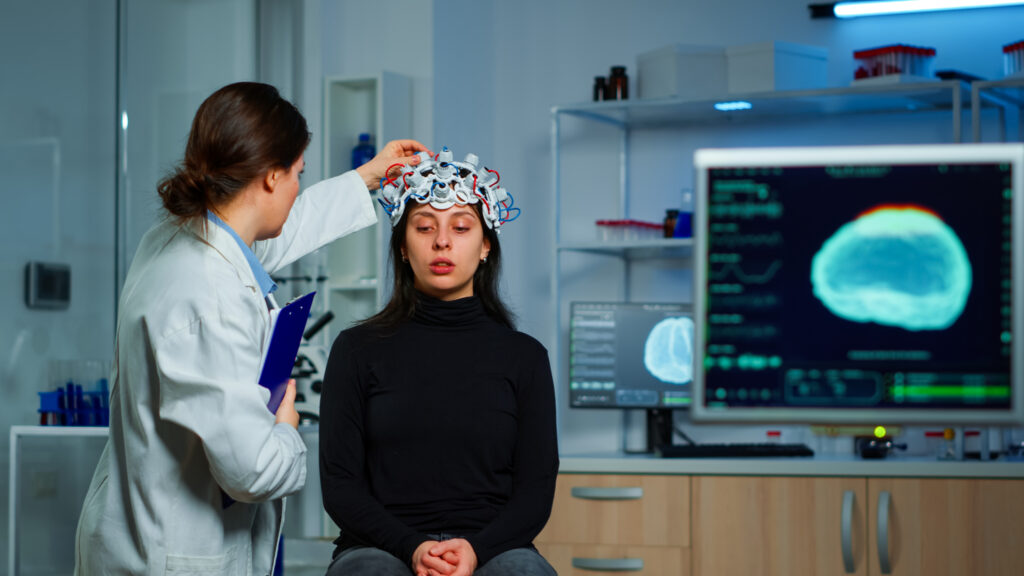
Mental health care in New York has evolved. Instead of relying solely on medication, psychiatric practices now integrate:
This layered model recognizes that depression is heterogeneous. What works for one person may not work for another.
A personalized depression treatment plan considers symptom patterns, past responses, lifestyle factors, and patient preferences. The goal is not just symptom reduction, but functional recovery.
Depression treatment does not stop at medication. If you are living in New York and feel that traditional approaches have not brought you where you want to be, it may be time to explore additional options.
Village TMS offers evidence-based brain stimulation therapies within a structured psychiatric framework. A thoughtful consultation can help clarify whether TMS or ketamine therapy fits your needs and goals.
You do not have to continue feeling stuck. A different approach may be available, and a conversation is often the first step forward.
Take this next step, we’ll help with the others.
TMS therapy is typically considered when a patient has not achieved adequate relief from at least one antidepressant medication. It is especially relevant in cases of treatment-resistant depression, where symptoms persist despite appropriate medication trials. If you continue to experience low energy, impaired concentration, or persistent sadness after several months of medication management, discussing Transcranial Magnetic Stimulation with a psychiatrist may be appropriate. TMS offers a non-invasive approach that targets brain circuits directly rather than altering systemic neurotransmitter levels.
TMS is not necessarily a replacement for medication, but it can be highly effective for individuals who have not responded to antidepressants. Clinical studies show meaningful symptom reduction in many patients with major depressive disorder who previously failed medication trials. Unlike antidepressants, TMS therapy does not circulate throughout the body, which means fewer systemic side effects. A psychiatrist will determine whether TMS should be used alone or alongside medication as part of a broader depression treatment plan.
Many patients experience sustained improvement after completing a full course of TMS therapy. Because the treatment promotes neuroplastic changes in brain circuits, benefits can last months or longer. Some individuals may require maintenance sessions, especially if they have recurrent depression. Ongoing psychiatric monitoring helps determine whether booster treatments are appropriate. The durability of results often depends on individual factors, including stress levels and coexisting mental health conditions.
A typical treatment course involves 20–36 TMS sessions over four to six weeks, depending on your diagnosis and how your brain responds. Each session lasts around 20 minutes and is done as an outpatient procedure, meaning there’s no need for sedation or downtime. Many patients begin noticing improvement in depression symptoms after the first few weeks, with results continuing to build. Some may choose maintenance sessions to preserve long-term symptom relief and mood stability.
Ketamine therapy is administered under medical supervision in a controlled setting. It has shown rapid antidepressant effects in certain patients, particularly those with severe or urgent symptoms. Potential side effects may include temporary dissociation or blood pressure changes, which are monitored carefully. Ketamine is not suitable for everyone, and a thorough psychiatric assessment is required. For some individuals, it can be part of an advanced depression treatment strategy when other approaches have not provided relief. Hear what others have to say about us.
While TMS is FDA-cleared for major depressive disorder, research is ongoing for anxiety disorders, obsessive-compulsive disorder, and other mental health conditions. Many patients with depression also experience anxiety symptoms, and improvements in mood regulation may reduce overall distress. A psychiatrist can evaluate whether brain stimulation is appropriate based on your full diagnostic profile. Treatment planning should always be individualized rather than one-size-fits-all.
We use cookies to improve your experience on our site. By using our site, you consent to cookies.
Manage your cookie preferences below:
Essential cookies enable basic functions and are necessary for the proper function of the website.
These cookies are needed for adding comments on this website.
Google reCAPTCHA helps protect websites from spam and abuse by verifying user interactions through challenges.
Google Tag Manager simplifies the management of marketing tags on your website without code changes.
You can find more information in our Cookie Policy and Privacy Policy.