
The short answer: most TMS therapy side effects are mild, localized to the scalp, and gone within the first week or two of treatment. Scalp discomfort and headache are by far the most common, serious side effects like seizure are rare, and almost nothing about TMS resembles the systemic side effects people associate with antidepressant medication, since the treatment never enters the bloodstream. The rest of this article breaks down exactly what to expect, in what order, and for how long.
What We Know
|
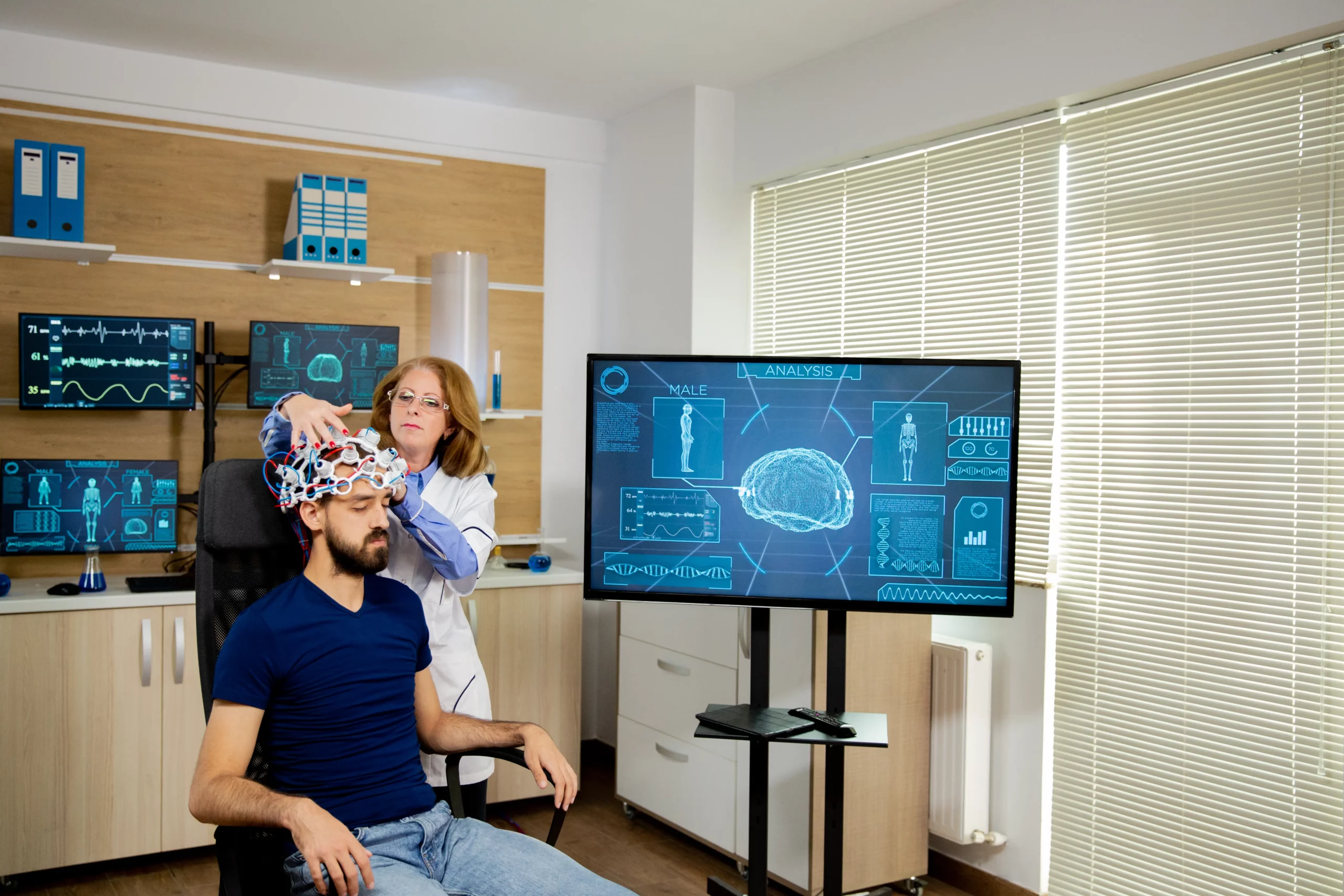
The common TMS therapy side effects, in order of how often they happen
Scalp and application-site discomfort
This is the sensation directly under the treatment coil, often described as a sharp tapping or a mild ache. It is the most frequently reported side effect in controlled trials and tends to be strongest in the first few sessions, before easing as the scalp adjusts.
Headache
Tension-type headache is the most commonly reported TMS side effect across the broader research literature, though reported rates vary widely by study methodology. It typically lasts a few hours on the day of treatment and responds to standard analgesics like acetaminophen or ibuprofen.
Facial twitching and muscle twitches
Because the treatment coil sits close to facial nerves, mild twitching around the eyes, jaw, or cheek is common, especially during motor-threshold calibration at the start of a course. This is uncomfortable rather than dangerous, and your provider can adjust coil positioning or intensity to reduce it.
Lightheadedness
A smaller share of patients report brief lightheadedness during or right after a session, usually resolving within minutes.
The timeline: when side effects happen and how long they last
Nearly all TMS side effects follow the same pattern: strongest in week one, noticeably milder by week two, and largely gone by the midpoint of a standard four to six week course. This mirrors how the scalp and surrounding tissue adjust to repeated stimulation. A side effect that is getting worse rather than better past the first week or two is worth flagging to your provider rather than waiting out.

Less common but more serious effects
Hearing changes
Each TMS pulse produces an audible click, which is why hearing protection is standard for every session. Skipping it, even briefly, carries a small risk of temporary or, rarely, lasting changes in hearing.
Mood destabilization
In patients with unstable or undiagnosed bipolar disorder, TMS can occasionally trigger irritability, agitation, or a manic or hypomanic episode. This is one of the reasons psychiatric history is reviewed carefully before treatment begins.
Seizure
The most serious possible side effect, seizure occurs at an estimated rate of roughly 1 in 1,000 patients, or about 1 in 30,000 treatment sessions, under standard clinical protocols. Risk concentrates heavily in people with a personal or family seizure history, recent brain injury, heavy alcohol use, or severe sleep deprivation.
Who is at higher risk for side effects
- Patients taking bupropion (Wellbutrin) alongside TMS, which has been associated with tinnitus in some reports
- Patients with a personal or family history of seizures
- Patients with undiagnosed or unstable bipolar disorder
- Patients with non-removable metal or magnetic implants near the head, which is an outright contraindication rather than an elevated risk
A thorough intake before starting TMS therapy at Village TMS is designed to catch each of these before your first session, not after.
Managing side effects during treatment
Most side effects respond to simple measures: over-the-counter pain relief for headache, a short break between calibration and treatment for twitching, and consistent hearing protection for every session. If a side effect is not improving after the first week, or if you notice a mood shift that feels different from your usual depression, tell your provider at your next visit rather than waiting for the course to end.
Call 646-817-2835 or contact us to book a free consultation.