If standard treatments have not eased your anxiety, you may be wondering, “Does ketamine for anxiety work?” Here is the honest answer: ketamine is not a first-line anxiety treatment, but a growing body of research shows it can produce rapid relief for people with anxiety that has not responded to conventional medication and therapy. Its effects can begin within hours and last for days to weeks after a single session. This guide explains what the research shows about ketamine anxiety treatment, who it helps, what to expect, and how patients in NYC can access it safely.
| What we know
1. Ketamine is not a first-line anxiety treatment. It is considered when standard medications and therapy have not provided enough relief. 2. Research shows ketamine can produce rapid anxiolytic effects, sometimes within hours, that may last days to weeks after a single session, working through the brain’s glutamate system. 3. Ketamine for anxiety is an off-label use. A thorough psychiatric evaluation is needed to confirm it is appropriate and safe for you. |

Can Ketamine Treat Anxiety?
Anxiety disorders are among the most common mental health conditions, and for many people, standard treatments work well. SSRIs, other medications, and therapy approaches like cognitive behavioral therapy help a large share of patients. But not everyone responds, and for those with persistent, treatment-resistant anxiety, the options have historically been limited.
This is where ketamine anxiety treatment enters the picture. Ketamine is best understood as an option for refractory anxiety, anxiety that persists despite appropriate standard treatment. It is not a replacement for first-line care, and a responsible clinic will always explore other options first. But when those options have been exhausted, ketamine offers a genuinely different mechanism worth considering.
What the Research Shows About Ketamine for Anxiety
The evidence base for ketamine and anxiety is smaller than the evidence for depression, but it is growing and consistent in its direction. Single doses of ketamine have been shown to produce fast-acting anxiolytic effects that can persist for up to a week after treatment. Research has examined ketamine specifically for social anxiety disorder, generalized anxiety, and refractory anxiety, including anxiety occurring alongside treatment-resistant depression. Reviews of this research describe ketamine as a promising rapid-acting option for anxiety that has not responded to standard treatment, while noting that more large-scale studies are needed. Ketamine for anxiety remains an off-label use, meaning the FDA has not approved it specifically for anxiety. You can read general background on anxiety disorders and their treatment through the National Institute of Mental Health.
How Ketamine Works for Anxiety
Most anxiety medications act on serotonin or, in the case of benzodiazepines, on the GABA system. Ketamine works differently. It is an NMDA receptor antagonist that modulates glutamate, the brain’s most abundant excitatory neurotransmitter, and promotes neuroplasticity, the brain’s capacity to form new connections.
Researchers believe this is why ketamine can interrupt entrenched patterns of anxious thinking and produce rapid relief. By influencing how the brain processes stress and fear, ketamine appears to give patients a window in which anxious patterns loosen. Unlike benzodiazepines, ketamine for anxiety is delivered in controlled clinical settings and does not carry the same dependency profile when used this way.
Which Anxiety Conditions May Respond to Ketamine?
At a psychiatric clinic, ketamine for anxiety is considered for several conditions, always after a thorough evaluation:
- Generalized anxiety disorder that has not responded to standard medication and therapy.
- Social anxiety disorder, where research has specifically examined ketamine’s effects.
- Panic disorder, particularly when it co-occurs with depression.
- Refractory anxiety occurring alongside treatment-resistant depression, a combination that is especially difficult to treat.
Anxiety frequently occurs together with depression, and ketamine’s effect on both at once is one reason it can be valuable for patients carrying both conditions. A psychiatric evaluation determines whether your specific presentation is likely to benefit.
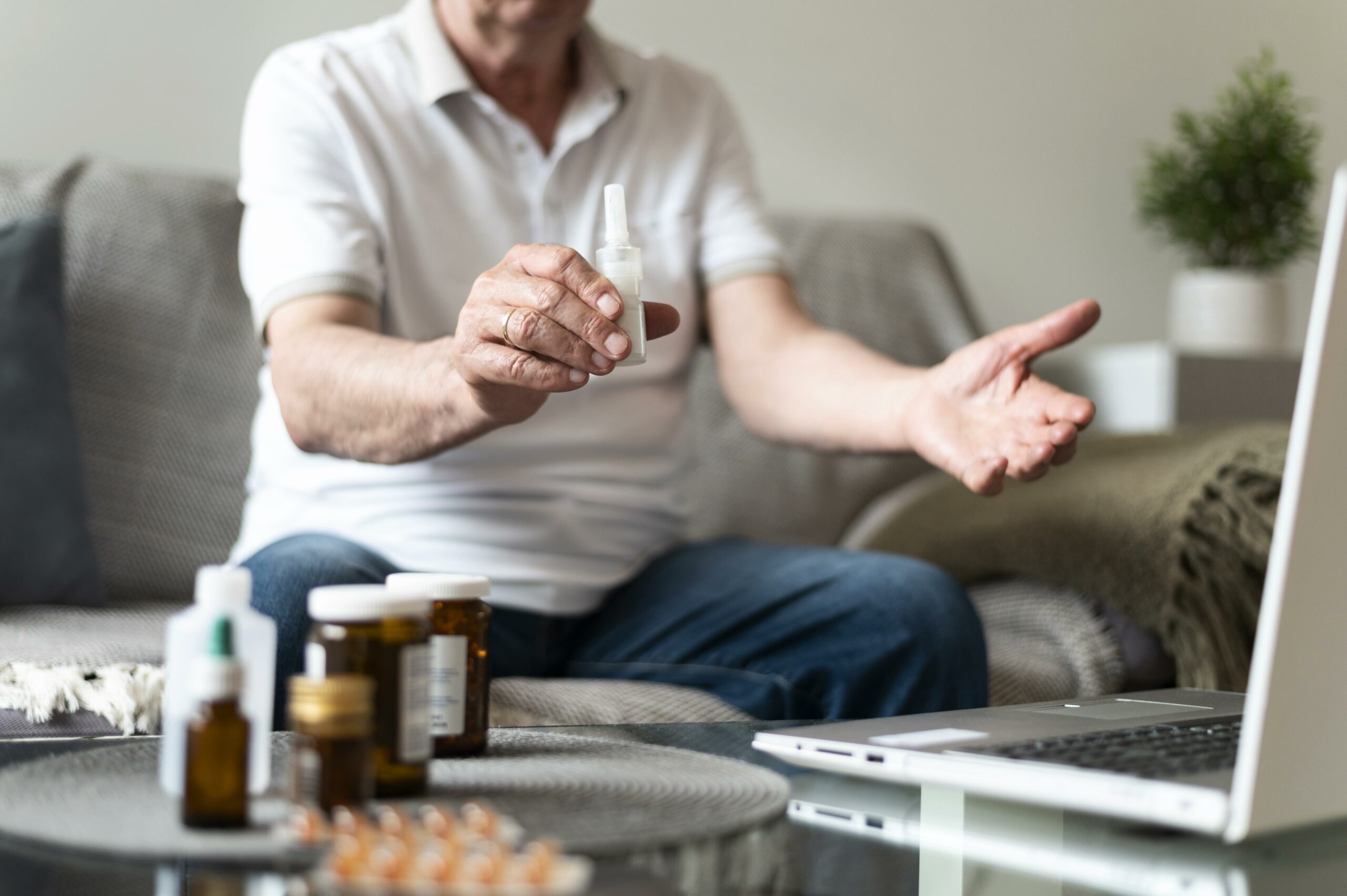
What to Expect From Ketamine Anxiety Treatment
Ketamine anxiety treatment follows a structured course similar to ketamine for depression. It begins with a full psychiatric consultation reviewing your history, current medications, and goals.
Treatment is typically delivered as a series of sessions. During an IV session, which lasts 40 to 60 minutes with continuous monitoring, you may experience mild dissociation that resolves as the medication wears off. The anxiolytic effect of a single session may last several weeks, and maintenance sessions help sustain results over time. Many patients combine ketamine with ongoing therapy, which tends to produce longer-lasting improvement. Village TMS offers IV, IM, and Spravato formats, described in more detail on our main ketamine page.
Is Ketamine Right for Your Anxiety?
Ketamine for anxiety makes the most sense if you have tried first-line treatments without sufficient relief, your anxiety significantly affects your daily life, and you have been screened and cleared for the conditions that make ketamine less appropriate. It is less likely to be the right first step if you have not yet tried standard treatments, which a responsible clinic will explore with you first.
The honest framing is this: ketamine is a real option for treatment-resistant anxiety, supported by growing research, but it is not a universal answer and not a first-line treatment. A consultation is how you find out whether it fits your situation.
Talk to Village TMS About Ketamine for Anxiety
If anxiety has not responded to standard treatment, it may be worth exploring whether ketamine can help. At Village TMS in Manhattan, ketamine therapy is led by Dr. Yuli Fradkin, MD, a psychiatrist with more than 25 years of experience, alongside Dr. Elena Bruck, MD. We provide full psychiatric screening, explore first-line options honestly, and offer IV, IM, and Spravato where ketamine is appropriate. Call 646-817-2835 or contact us to book a free consultation.