If you don’t have insurance, or your plan won’t cover ketamine, this guide is built specifically for you. For the full breakdown of per-session pricing across IV, IM, and Spravato, and how NYC pricing compares nationally, see our complete ketamine therapy cost guide. Here, we go deep on what matters most once you know you are paying out of pocket: how to lower the real cost using HSA/FSA funds, payment plans, and out-of-network reimbursement, without cutting corners on care.
What we know
|
How Much Does Ketamine Therapy Cost? (In Brief)
A single IV session in NYC generally runs $400 to $800, with IM sessions typically costing somewhat less. For the complete per-format breakdown, what’s included in a typical quote, and how NYC pricing compares nationally, see our Ketamine Therapy Cost in NYC: A 2026 Pricing Guide.
Why Insurance Rarely Covers IV Ketamine
Understanding why coverage is so limited helps you plan around it. IV and IM ketamine for mental health are used off-label, which means the FDA has approved ketamine as an anesthetic but not specifically for depression, anxiety, or PTSD. Most insurance plans only cover treatments for their FDA-approved uses, so off-label ketamine usually falls outside coverage.
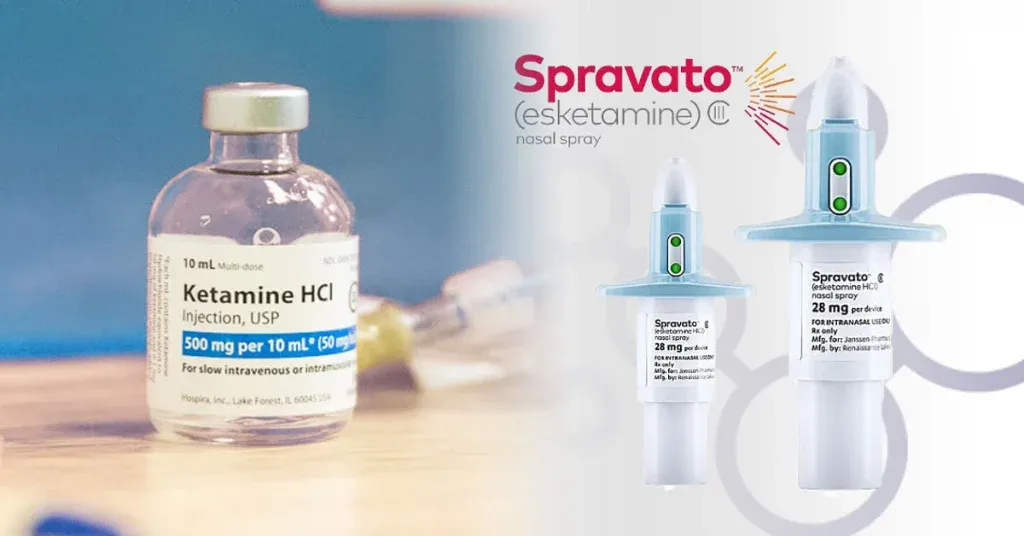
The one exception is esketamine, sold as Spravato, a nasal spray the FDA approved for treatment-resistant depression in 2019. Because it carries that approval, Spravato is covered by most major insurers when specific criteria are met.
You can confirm the details directly in the FDA’s original approval record for Spravato. If you are uninsured, this distinction matters less, but it explains why even insured patients often pay out of pocket for IV ketamine.

Cost by Treatment Format for Self-Pay Patients
For a full side-by-side of IV, IM, and Spravato pricing, see the pricing guide. The short version for a self-pay budget: IM is typically the most cost-effective in-clinic starting point, since the therapeutic effect is comparable to IV at a lower per-session price.
| Format | Per Session (NYC self-pay) | Full Induction Course |
| IV ketamine infusion | $400 to $800 | $2,400 to $4,800 (6 sessions) |
| Intramuscular (IM) injection | $350 to $500 | $2,100 to $3,000 (6 sessions) |
| Spravato (without insurance) | $800+ per session | Often higher; insurance strongly advised |
Using HSA and FSA Funds for Ketamine Therapy
One of the most useful tools for uninsured patients is a Health Savings Account (HSA) or Flexible Spending Account (FSA). Ketamine therapy delivered by a licensed medical provider typically qualifies as an eligible medical expense for both.
The advantage is straightforward. HSA and FSA funds are set aside from your paycheck before taxes. Using pre-tax dollars to pay for treatment effectively discounts the cost by your tax rate, which for many people works out to a saving of 20 to 35 percent. If you have access to either account type, or can open an HSA, this is one of the simplest ways to reduce the real cost of ketamine therapy. Confirm eligibility with your account administrator before treatment, but the answer is usually yes.
Payment Plans and Medical Financing
Few patients can comfortably pay $3,000 or more in a single lump sum, and most clinics know this. Several financing routes spread the cost over time:
- Clinic payment plans. Many clinics let you pay for a course in installments across the treatment period rather than all at once.
- Medical financing programs. Third-party programs such as CareCredit are designed for healthcare expenses and let you spread payments over months, sometimes with interest-free promotional periods.
- Per-session pay-as-you-go. Some clinics let you pay session by session rather than committing to a full package upfront, which spreads the cost naturally and lets you stop if the treatment is not working for you.
Ask any clinic what financing they offer before you commit. A clinic that treats cost as a real concern, rather than something to gloss over, is also more likely to be transparent in other ways.
Out-of-Network Reimbursement: A Possible Partial Refund
Even without in-network coverage, you may be able to recover part of the cost. Many clinics provide a detailed receipt, sometimes called a superbill, that you can submit to your insurance company for out-of-network reimbursement.
Reimbursement is not guaranteed, and the amount varies widely by plan. Some patients recover a meaningful percentage of their costs; others recover nothing. But submitting a superbill costs you only the time it takes to file, and the potential upside makes it worth doing. Ask your clinic whether they provide superbills, and check your plan’s out-of-network mental health benefits before you start treatment.
Putting the Cost in Perspective
It helps to compare the cost of ketamine therapy against the long-term cost of untreated or poorly treated depression. Many patients considering ketamine have already spent years cycling through antidepressants, paying for repeated psychiatrist visits, and absorbing the indirect costs of missed work and reduced functioning.
Ketamine therapy is a concentrated, time-limited cost. A six-session induction course happens over two to three weeks, followed by occasional maintenance. For patients who respond, the cost of that course can be lower than another year of medication trials that do not work. This is not a reason to choose ketamine over other treatments, and cost should never be the only factor. But when you are weighing the out-of-pocket number, it is fair to weigh it against what poorly managed depression already costs you.

Questions to Ask Before You Commit
If you are paying without insurance, these questions protect you from surprise costs:
- What is the complete cost of a full course, including evaluation, integration sessions, and follow-ups?
- Can I pay per session rather than buying a package upfront?
- Do you provide a superbill I can submit for out-of-network reimbursement?
- What financing or payment plan options do you offer?
- Is IM ketamine an option for me, given it is typically lower cost than IV?
- Are there any fees not included in the per-session price?
Talk to Village TMS About Affordable Ketamine Therapy
Cost should not be the reason you go without effective treatment. At Village TMS in Manhattan, we offer IV, IM, and Spravato, walk through every payment and financing option during a free consultation, and give you a complete, honest cost estimate before you commit to anything. We also help patients submit out-of-network claims where applicable. Call 646-817-2835 or contact us to book a free consultation and get real numbers for your situation.