
No single treatment is best for depression that has not responded to medication. We choose between TMS, Spravato and ketamine by looking at your history, your health, your schedule and your coverage, and we make the decision with you. This page explains how that works at Village TMS.
Or call (646) 817-2835 to speak with our team
Medically reviewed by Yuli Fradkin, MD, board-certified psychiatrist · Last reviewed October 2026
Rated 5.0
On Google reviews
FDA-Cleared
Safe & evidence-based
In-Network
Aetna, BCBS, Cigna, United
Board-Certified
Psychiatrists, 15+ years each
STEP ONE
Every plan starts with a psychiatric evaluation by one of our board-certified psychiatrists. We confirm the diagnosis and look for anything that can mimic or worsen depression, such as a thyroid problem, a sleep disorder, bipolar disorder or substance use.
Then we go through your medication history in detail: each antidepressant you have taken, the dose, how long you took it, what changed and why you stopped. A trial that was too short or too low a dose is not a true failure. Sometimes the right next step is a better medication trial rather than a new treatment.
Depression is usually called treatment-resistant when it has not improved after at least two antidepressants taken at an adequate dose for an adequate time. Spravato is FDA-approved for this group, and TMS devices are FDA-cleared for adults with major depression who have not improved with antidepressants. Read more about treatment-resistant depression.
A list of past medications and doses if you have one, recent lab results, and the names of your current prescriber and therapist. Gaps are fine; we can fill them in together.
THE THREE OPTIONS
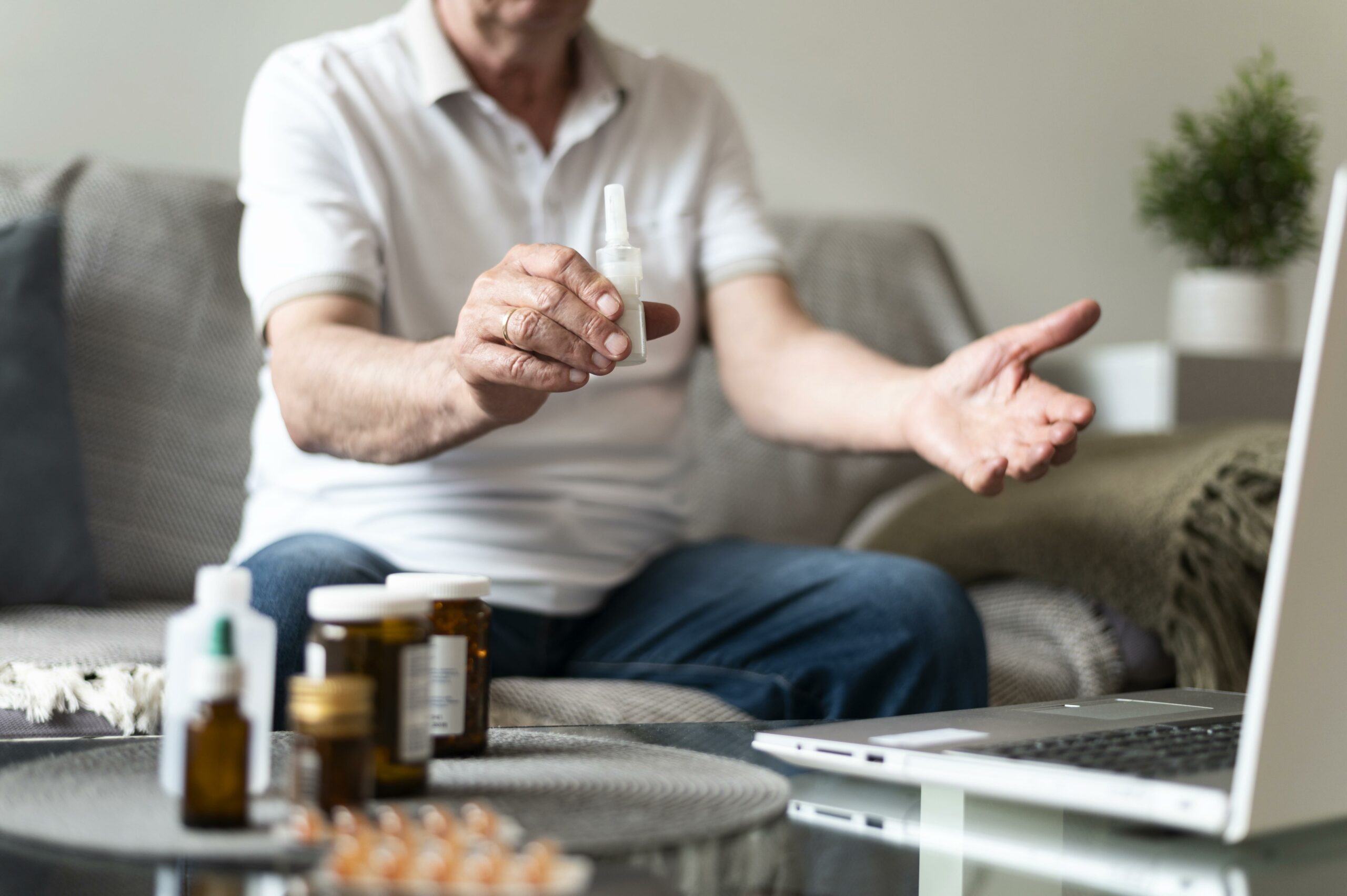
All three are used when standard antidepressants have not been enough, but they work differently and ask different things of you. Each has its own page: TMS, Spravato and ketamine.
FDA-CLEARED DEVICES
Magnetic pulses stimulate mood-related areas of the brain. Sessions take about 20-30 minutes, usually on weekdays. A standard course is usually 30-36 sessions over 6-9 weeks; your psychiatrist sets your schedule. No anesthesia, and you can drive yourself home.
FDA-APPROVED DRUG
A nasal spray you take in our REMS-certified office, followed by at least two hours of monitoring. It is usually given twice weekly in weeks 1-4, weekly in weeks 5-8, then weekly or every two weeks. No driving until the next day, after a restful sleep.
OFF-LABEL USE
Ketamine is FDA-approved as an anesthetic; its use for depression is off-label. It is given by IV infusion or intramuscular injection, with monitoring throughout. IV ketamine typically costs $400-$800 per session and is usually self-pay.
SAFETY FIRST
Some health conditions rule a treatment out or call for extra care. We screen for each of them before we recommend anything.
TMS is generally avoided if you have metal implants in or near the head, such as aneurysm clips or cochlear implants, and it needs careful review if you have a history of seizures. Spravato and ketamine raise blood pressure for a short time after each dose, so uncontrolled high blood pressure and some blood vessel conditions can rule them out.
A history of psychosis usually makes Spravato and ketamine a poor fit, because both can cause dissociation and changes in perception. Past or current substance use matters too, since both carry a risk of misuse; for some people TMS is the safer path. We talk about these things openly. They are part of good care, not a judgment.

SIDE BY SIDE
These are general patterns. Your own answers can differ, which is why we decide together after your evaluation.
Sources: NIMH on brain stimulation therapies and the Spravato REMS program. We verify your coverage for free before you start.
MATCHING THE OPTION
Often fits when you want to avoid medication side effects, need to drive or work on treatment days, can come in on most weekdays for several weeks, and have no metal implants near the head.
Often fits when you want a faster-acting option, can set aside a few hours twice a week at first, have a ride home and have well-controlled blood pressure. It can be used with an oral antidepressant or on its own.
May fit when other options have not worked or are not covered, you accept that its use for depression is off-label, and you have no history of psychosis or substance misuse.
Fits when earlier medication trials were short or low-dose. A well-chosen medication change, with therapy, can still be the right next step.
TRACKING PROGRESS
BASELINE
Before treatment you complete the PHQ-9, a nine-question depression scale validated in published research.
DURING
You repeat the PHQ-9 at set intervals, for example every week or two during a TMS course or the first weeks of Spravato, and we ask about side effects at each visit.
REVIEW
At set points, such as midway through a course, your psychiatrist reviews the trend with you and decides whether to continue, adjust or change approach.
AFTER
When you improve, we plan what comes next: follow-up visits, maintenance sessions if needed, and what to do if symptoms return.
MORE THAN ONE TREATMENT
If you already see a therapist, keep going. With your permission we share updates so your care stays coordinated.
Sofia Dro, MA, offers psychotherapy for individuals and couples at Village TMS. Meet our team.
For some patients, therapy sessions are planned around ketamine treatment. How ketamine-assisted psychotherapy works.
Many patients stay on an antidepressant during TMS or ketamine treatment. Spravato can be taken with an oral antidepressant or on its own.
Straight answers on TMS, Spravato and ketamine.
Or call (646) 817-2835
INSIGHTS
· 5 min read
· 5 min read
· 5 min read
· 5 min read

· 5 min read
· 5 min read
EXPLORE OUR SERVICES
VISIT US
Our office is at 80 Fifth Avenue, at 14th Street. We see patients from across Manhattan, Brooklyn, Queens and New Jersey.
Greenwich Village ·
Chelsea · West Village ·
East Village · SoHo ·
Tribeca · Flatiron ·
Midtown
Williamsburg · Brooklyn
Heights · Park Slope ·
Long Island City · Astoria
· Forest Hills
Hoboken · Jersey City ·
Weehawken · Edgewater
· Fort Lee