
When two or more antidepressants have not worked, there are still strong options. Our board-certified psychiatrists offer TMS, Spravato® and ketamine under one roof in Union Square, and help you choose the treatment that fits your history, your schedule and your insurance.
Medically reviewed by Yuli Fradkin, MD, board-certified psychiatrist · Last reviewed October 2026
Or call (646) 817-2835 — speak with our team now
Rated 5.0
On Google reviews
FDA-Cleared TMS
FDA-approved Spravato
In-Network
Aetna, Cigna, Optum, TRICARE East
Board-Certified
Psychiatrists, 25+ years
THE BASICS
Treatment-resistant depression (TRD) is major depression that has not improved enough after at least two antidepressants, each taken at an adequate dose for an adequate length of time, usually six to eight weeks. It is not a separate illness. It means the usual first steps have not worked and the plan needs to change.
It is common. According to Johns Hopkins Medicine, roughly 30 percent of people with major depression have treatment-resistant depression. In the large NIMH-funded STAR*D study, the chance of remission fell with each new medication step (Rush et al., 2006), which is why we look beyond another antidepressant switch once two have failed.
Before calling depression treatment-resistant, we check for things that can make it look that way: bipolar disorder, thyroid problems, sleep disorders, alcohol or substance use, anxiety or PTSD alongside the depression, doses that were too low, or medicines stopped too early.
That careful psychiatric evaluation comes first. Sometimes it changes the diagnosis. More often it confirms TRD and opens the door to treatments that work differently from pills.
TMS devices are FDA-cleared for depression that has not responded to antidepressants, and Spravato is FDA-approved for TRD. IV and IM ketamine are used off-label.

YOUR OPTIONS
Each option works differently, takes a different amount of your time and is covered differently by insurance. Because we offer all three, our recommendation is based on your history, not on which machine or medicine a clinic happens to have.
MAGNETIC STIMULATION
Transcranial magnetic stimulation uses magnetic pulses to stimulate the mood-regulating area at the front of the brain. You stay awake, with no anesthesia and no downtime, and you can drive yourself home. A standard course is usually 30-36 sessions over 6-9 weeks. Learn about TMS therapy.
NASAL SPRAY
An FDA-approved nasal spray you take in our office, twice a week at first, with at least two hours of monitoring after each dose and no driving until the next day. It is often covered by insurance with prior authorization. Learn about Spravato in NYC.
INFUSION OR INJECTION
Ketamine given by IV infusion or intramuscular injection, used off-label for depression. In clinical studies some people improved within a day of a dose (Zarate et al., 2006), but it is usually self-pay and you cannot drive after a session. Learn about ketamine therapy.
CHOOSING TOGETHER
There is no single best treatment for TRD. In your evaluation, your psychiatrist goes through what you have already tried, which side effects you want to avoid, how much time you can give to treatment and what your insurance covers. Then we lay out the realistic options and decide with you.
Some patterns come up often. TMS suits people who want to avoid more medication side effects and can come in on most weekdays for several weeks. Spravato suits people who want an insurance-covered medicine and can manage two visits a week plus a ride home. Ketamine can suit people who have not done well with the other options and can pay out of pocket.
If none of these works well enough, electroconvulsive therapy (ECT) remains one of the most effective treatments for severe depression. We do not provide ECT, but our TMS vs ECT guide explains how it compares. For the wider field these treatments belong to, see interventional psychiatry.

SIDE BY SIDE
How the three main TRD treatments compare on time, course length, FDA status, evidence and cost.
Key studies: TMS (O'Reardon et al., 2007), Spravato (Popova et al., 2019), ketamine (Zarate et al., 2006). We verify your coverage for every option for free.
WHY VILLAGE TMS
TMS, Spravato and ketamine under one roof, so you can switch or combine treatments without starting over at a new clinic.
Board-certified psychiatrists with decades of experience in treatment-resistant depression make every treatment decision.
Your psychiatrist reviews every prior medication and treatment attempt before recommending a protocol, rather than starting from a blank slate.
We verify your benefits for free and handle any prior authorization for TMS and Spravato. We are in network with Aetna, Cigna, Optum and TRICARE East for TMS and Spravato, and accept Medicare for TMS only. We don't accept Medicaid, but we can negotiate single case agreements with other insurers.
HOW TRD TREATMENT WORKS AT VILLAGE TMS
STEP 1
We talk through your symptoms and treatment history, and check your insurance at no cost.
STEP 2
A psychiatrist confirms the diagnosis, rules out missed causes and reviews which options are safe for you.
STEP 3
We agree on TMS, Spravato or ketamine, submit any prior authorization and schedule your first session.
STEP 4
We track your symptoms with standard rating scales and change the plan if you are not improving as expected.
ALONGSIDE TREATMENT
Many people keep taking an antidepressant during TMS or Spravato. We review your current medicines and make any changes slowly, one at a time.
Adding a second medicine to an antidepressant, such as an atypical antipsychotic, lithium or thyroid hormone, is another evidence-based step. We may suggest it on its own or alongside other treatment.
Talk therapy such as cognitive behavioral therapy helps many people with TRD and can help gains from other treatments last. You can keep your current therapist, and we coordinate with them.
After a good response, we plan how to stay well: follow-up visits, maintenance sessions when needed, and a clear plan if symptoms return.
HONEST ANSWERS
All three treatments are well studied and given under medical supervision, but each has its own side effects. TMS most often causes scalp discomfort or a headache in the first sessions. Seizures are rare, and we screen for risk factors before you start.
Spravato and ketamine can cause dissociation (a dreamlike, detached feeling), dizziness, nausea and a temporary rise in blood pressure. That is why we monitor you in the office after every dose and why you cannot drive afterwards. Your psychiatrist reviews your heart health, blood pressure and any history of substance use before recommending either one.
Every treatment is overseen by board-certified psychiatrists, and screening decides which options are safe for you.
TMS & Ketamine therapy and evidence-based care for:
Including treatment-resistant depression —
the primary FDA-approved use of TMS.
Care built on medication and therapy.
We do not offer Deep TMS for OCD.
FDA-approved for depression with co-
occurring anxiety symptoms.
Board-certified psychiatrists with decades of experience treating depression, OCD,
and anxiety.
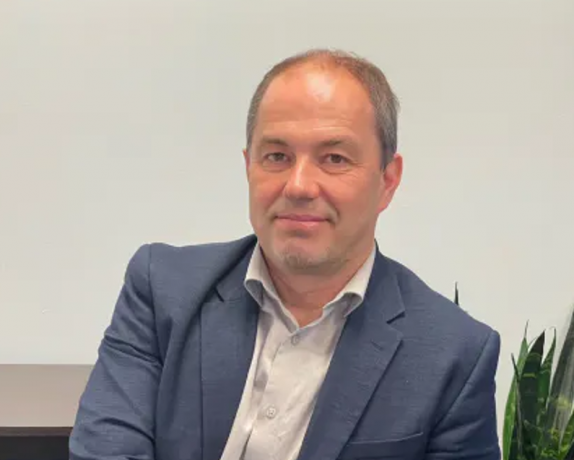
Board-Certified Psychiatrist · 25+
Years Experience
I founded Village TMS because so many of my patients had been failed by
standard treatment paths. My approach is unhurried, evidence-driven, and centred on what each person actually needs to feel like themselves again.
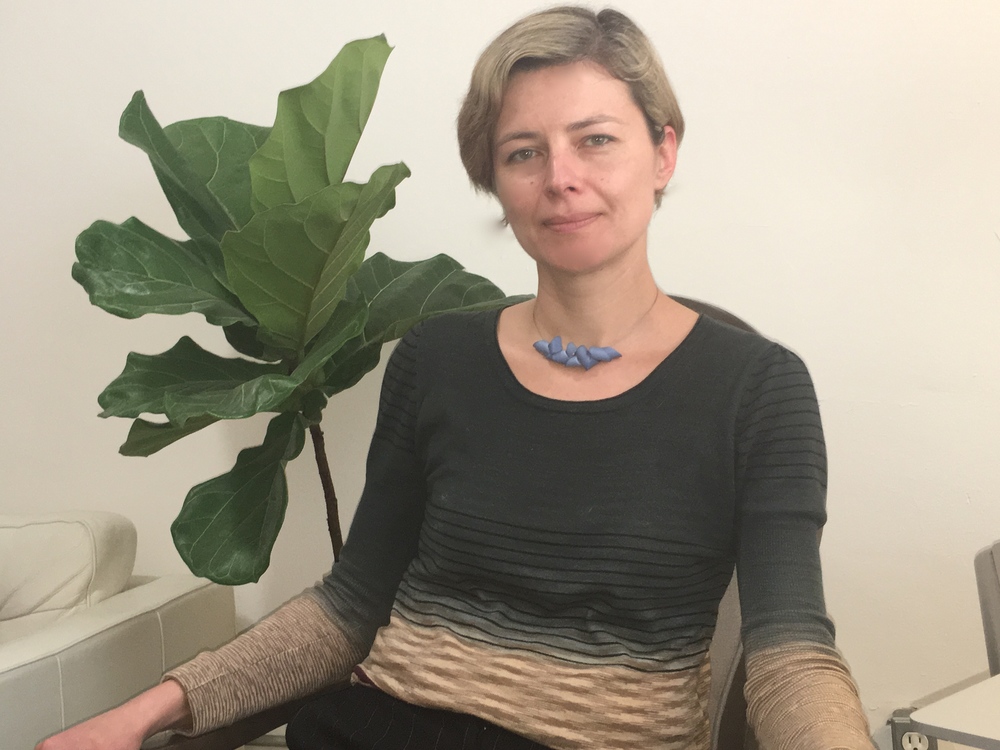
Board-Certified Psychiatrist · 15+ Years Experience
I came to TMS after watching patients
cycle through medications that didn't fit them. My focus is precision, matching the right protocol to the right person, and adjusting as we go.
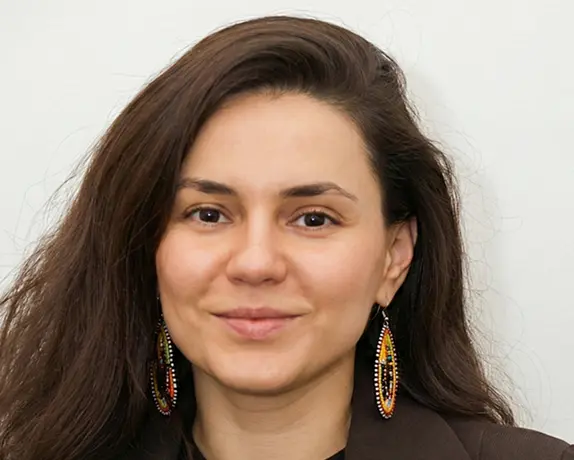
Psychotherapist & Coach ·
Couples Therapy
I help adults and couples build self-awareness and deepen relationships. My work is grounded in Gestalt therapy and informed by EMDR, mindfulness, and transpersonal psychology. I combine deep emotional exploration with practical tools, working in a warm, collaborative space where clients feel genuinely seen and supported.
Everything you need to know before your free consultation.
Or call (646) 817-2835
INSIGHTS
· 5 min read
· 5 min read
· 5 min read
· 5 min read
· 5 min read
· 5 min read
EXPLORE OUR SERVICES
VISIT US
Village TMS is at 80 Fifth Avenue, Suite 1405, at 14th Street, between Union Square and the Flatiron District. Patients come to us from across Manhattan, Brooklyn, Queens and northern New Jersey.
Greenwich Village ·
Chelsea · West Village ·
East Village · SoHo ·
Tribeca · Flatiron ·
Midtown
Williamsburg · Brooklyn
Heights · Park Slope ·
Long Island City · Astoria
· Forest Hills
Hoboken · Jersey City ·
Weehawken · Edgewater
· Fort Lee