If you have been told you have treatment-resistant...Read More

At Village TMS in New York City, we provide evidence-based ketamine therapy for individuals struggling with bipolar depression, mood instability, or treatment-resistant symptoms. Our customized treatment protocols are designed to support rapid relief when traditional mood stabilizers or antidepressants have not provided enough improvement. If you’ve been searching for “ketamine for bipolar NYC,” our Manhattan clinic offers structured, physician-supervised care focused on safety and measurable results.
1. IV Ketamine Infusions
Intravenous ketamine infusions deliver controlled low doses directly into the bloodstream. Each 40-minute session is closely monitored for heart rate and blood pressure to maintain safety and track treatment response for bipolar depression.
2. SPRAVATO® (Esketamine) Nasal Spray
An FDA-approved option for treatment-resistant depression, including bipolar depression in select cases. Each session is supervised by trained professionals who monitor dosing, response, and vital signs.
3. Intramuscular (IM) Injections
A time-efficient alternative for patients seeking structured symptom relief. These low-dose injections may help stabilize depressive episodes while supporting continued mood balance between sessions.
Rapid Relief: Many patients report improvement in depressive symptoms within hours or days. Ketamine works differently from traditional antidepressants by supporting new neural connections in key mood-regulation areas of the brain.
Science-Driven Results: Clinical research shows ketamine modulates NMDA receptors and helps regulate the glutamate system, which plays a role in bipolar depression and treatment-resistant mood disorders.
Safe & Supervised: Every session follows a strict medical safety protocol led by experienced providers. We monitor cardiovascular stability and mental status throughout treatment.
Comprehensive Healing: Ketamine treatment can be combined with psychotherapy, cognitive behavioral therapy, medication management, or TMS therapy to support long-term mood stabilization.
Get help with depression today! It’s important to know that you are not alone.
Ketamine’s versatility addresses:
Major Depressive Disorder (MDD)
Postpartum Depression
PTSD & Anxiety Disorders
Chronic Pain & Fibromyalgia
OCD & Bipolar Disorder
Addiction Recovery Support
In recent years, studies have highlighted the effectiveness of ketamine for psychiatric disorders such as major depressive disorder, bipolar disorder, and post-traumatic stress disorder. By targeting glutamate pathways, ketamine promotes symptom reduction, reduces suicidal ideation, and supports a healthier response to stress.
We use low-dose protocols to ensure safety and minimize dissociative effects. While brief lightheadedness may occur, most patients find it subsides within minutes. Each session is conducted in a calm clinical setting, in the middle of Manhattan, by licensed healthcare professionals who track your vital signs and adjust your treatment plan for optimal comfort.
Consultation: Discuss your medical history and goals with Dr. Yuli Fradkin, our lead psychiatrist with 25+ years of expertise.
Custom Plan: Choose from IV, SPRAVATO®, or IM treatments, customized by our healthcare providers for your needs and treatment effects.
Integration Therapy: Post-treatment, our therapists help you apply insights from the ketamine experience to improve thought patterns and support lasting recovery.

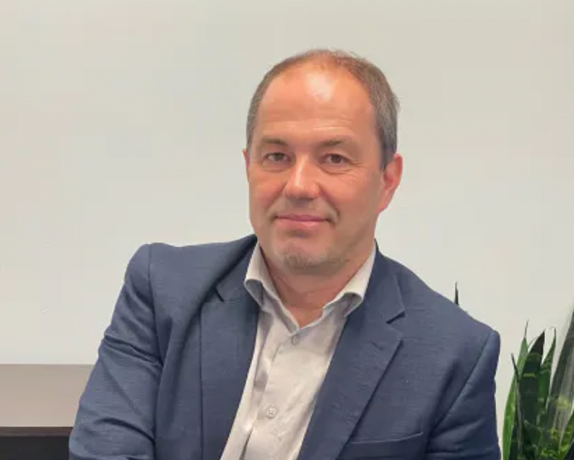
As a psychiatric professional with over 25 years of experience, I am dedicated to providing top-quality care to my patients in New York City and Montclair, New Jersey. I have had the privilege of serving at some of the nation’s leading medical institutions, including Beth Israel Hospital in New York, Tufts Medical Center in Boston, and Yale Medical School in Connecticut.
In addition to my clinical work, I am also an assistant professor at Rutgers University, where I have the opportunity to share my knowledge and experiences with the next generation of healthcare professionals. I believe in the importance of continuing education and professional development, and I am committed to staying current on the latest advances in the field of psychiatry.
I am passionate about helping individuals and their loved ones on their journey towards mental wellness. Whether you are seeking support for yourself or a loved one, I am here to help. Thank you for considering my practice, and I look forward to working with you.
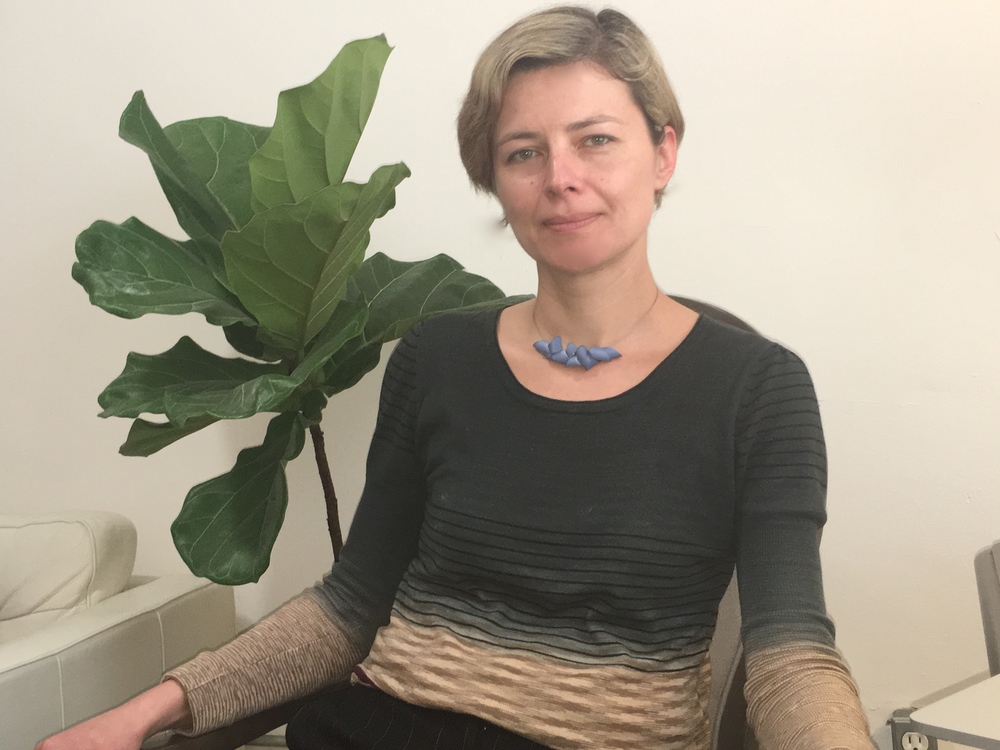
I have been practicing psychiatry for nearly twenty years, first in Vienna, Austria, where I had the honor of studying medicine, then here, in New York City.
I did a year of Geriatric Psychiatry fellowship which allows me to work comfortably with elderly patients.
I also did a year of fellowship at the New York Psychoanalytic Institute and published in the fields of psychotherapy research, dementia, and Seasonal Affective Disorder .
As a psychiatrist and medical doctor, I can provide both medication management and psychotherapy, as well as non-medication treatments such as supplements and life style advice.
I offer psychopharmacology and psychotherapy services as well as holistic treatments based on scientific studies to significantly improve my patients’ well-being.
Having lived in Moscow, Vienna and New York for many years, I appreciate the beauty and relativity of all things human, and can provide treatment in these three languages.
If you have been told you have treatment-resistant...Read More
If you have tried antidepressants, adjusted the dosage,...Read More
If you are exploring Transcranial Magnetic Stimulation as...Read More
Ketamine assisted therapy has gained attention as a...Read More
Finding reliable TMS providers near me is no...Read More
Anxiety disorders affect millions of adults across New...Read More
Take this next step, we’ll help with the others.
We proudly serve patients throughout:
Manhattan: Union Square, Chelsea, Flatiron, Greenwich Village, West Village, East Village, Midtown, Upper East Side, Upper West Side, Harlem, Tribeca, SoHo
Brooklyn & Queens: Brooklyn Heights, Williamsburg, Park Slope, Long Island City, Astoria, Forest Hills
New Jersey: Hoboken, Jersey City, Weehawken, West New York, North Bergen, Fort Lee, Edgewater, Secaucus, Newark, and surrounding South Bergen communities
If you’re searching for TMS therapy near Manhattan, Brooklyn, Queens, or Hoboken, our centrally located NYC office makes treatment convenient and accessible.
Ketamine can be safe for bipolar depression when it is carefully monitored by an experienced medical team. At our Manhattan clinic, every patient receives a psychiatric evaluation before starting treatment. We screen for risk of manic episodes, mixed episodes, and other mood instability. During each session, heart rate, blood pressure, and mental status are monitored closely. This structured protocol helps reduce the risk of triggering mania while targeting depressive symptoms.
Patients with bipolar I disorder or bipolar II disorder require careful medication management during ketamine therapy. We review current prescriptions such as lithium, lamotrigine, valproate, or atypical antipsychotics. Monitoring helps prevent rapid cycling, hypomania, or mood destabilization. Structured dosing, controlled clinical settings, and psychiatric oversight are key parts of safe ketamine treatment for bipolar depression in NYC.
Yes, ketamine is most commonly used for bipolar depression rather than manic episodes. Many people with bipolar disorder struggle more with long periods of depression than with mania. Ketamine works on the glutamate system and NMDA receptors in the brain, which are linked to mood regulation. Unlike traditional antidepressants that focus on serotonin, ketamine works through a different pathway. This is why it may help patients with treatment-resistant depression or bipolar depression who have not responded to mood stabilizers alone.
Research shows ketamine may increase brain-derived neurotrophic factor and improve synaptic plasticity. These changes may support improved emotional regulation, reduced suicidal ideation, and faster recovery from depressive episodes. For individuals searching for ketamine for bipolar NYC, the goal is not just symptom relief but stabilization of mood patterns that have resisted conventional psychiatric treatment.
Some patients report relief within hours or days after treatment. That is very different from standard antidepressants, which may take weeks. The rapid effect is related to ketamine’s impact on synaptic plasticity and neural connectivity. Many patients describe reduced suicidal thoughts, improved energy, and less emotional heaviness after a series of sessions. Results vary, but speed of response is one reason people search for ketamine for bipolar NYC.
Clinical studies on treatment-resistant bipolar depression show measurable mood improvement after a structured infusion series. Rapid reduction in depressive symptoms can be especially important for patients experiencing severe depressive episodes or suicidal ideation. Faster response times may reduce hospitalization risk and improve overall psychiatric stability in a supervised medical setting.
This is an important question. In some cases, antidepressants can trigger mania in people with bipolar disorder. That is why proper screening and monitoring are critical. At Village TMS in Manhattan, we often coordinate with a patient’s psychiatrist and review current medications such as lithium, lamotrigine, or other mood stabilizers. Careful dosing and medical supervision lower the risk. Patients are monitored before, during, and after each session.
Risk management includes evaluating history of manic episodes, psychosis, or rapid cycling. Patients with unstable mania are not candidates for ketamine treatment until stabilized. Ongoing mood tracking and psychiatric follow-up reduce the likelihood of mood switching. This careful protocol supports safer ketamine therapy for bipolar depression in NYC.
Many people seeking ketamine therapy in NYC have already tried multiple medications. This is often called treatment-resistant depression or medication-resistant bipolar depression. Ketamine offers a different mechanism of action. It does not replace all medications in most cases, but it may provide symptom relief when traditional pharmacology has plateaued. Some patients use it alongside medication management and psychotherapy.
Treatment-resistant bipolar depression can involve failed trials of antidepressants, mood stabilizers, and antipsychotic medications. Ketamine works outside the serotonin and dopamine pathways by targeting glutamate transmission. This alternative neurochemical approach provides another option for individuals whose depressive symptoms persist despite long-term psychiatric care.
Yes. Our clinic is located in Manhattan and serves patients from Midtown, Upper West Side, Upper East Side, Harlem, SoHo, Tribeca, Chelsea, and the Financial District. Many patients travel from Brooklyn and Queens as well. If you have searched “ketamine for bipolar NYC near me,” you are likely looking for a local provider with structured psychiatric oversight. That is exactly what we provide.
Being located in New York City allows coordination with local therapists, psychiatrists, and primary care providers. Accessibility, public transit proximity, and structured follow-up care are important for consistent treatment outcomes. Our Manhattan-based ketamine therapy program focuses on continuity of care within the NYC mental health network.
Both ketamine therapy and TMS therapy are used for depression and mood disorders. Ketamine works chemically through the glutamate pathway and NMDA receptors. TMS therapy uses magnetic pulses to stimulate areas of the brain involved in mood regulation, such as the dorsolateral prefrontal cortex. Some patients benefit from one approach. Others may benefit from a combined treatment plan based on clinical history.
TMS therapy is non-invasive and does not involve medication. Ketamine is pharmacological and produces rapid neurochemical changes. For bipolar depression, treatment plans are individualized based on severity, history of manic episodes, and response to prior psychiatric interventions. Both options are supported by clinical research in mood disorder treatment.
Coverage varies. SPRAVATO® (esketamine) may be covered for treatment-resistant depression under certain insurance plans. IV ketamine infusions are sometimes considered off-label for bipolar depression and may not be fully covered. Our team helps patients review benefits and payment options before starting care.
Insurance policies often differentiate between FDA-approved esketamine and off-label IV ketamine use. Documentation of treatment-resistant bipolar depression, prior medication trials, and psychiatric evaluation may be required. Our administrative team assists with benefit verification and financial planning for patients in NYC seeking advanced depression treatment options.
Most sessions last about 40 minutes. Patients remain awake but relaxed. Some describe mild dissociation or changes in perception during treatment. These effects usually fade shortly after the session ends. You will not drive yourself home afterward. Our medical team remains present throughout the process.
Physiological monitoring includes blood pressure checks and observation for side effects such as nausea, dizziness, or temporary perceptual changes. After the session, patients rest until stable. Follow-up assessments track mood symptoms, depressive severity, and overall treatment response as part of a structured bipolar disorder care plan.
Your first step is to schedule a free consultation at Village TMS. We’ll review your medical history, evaluate your symptoms, and create a customized treatment plan that supports healing and improved quality of life.
We use cookies to improve your experience on our site. By using our site, you consent to cookies.
Manage your cookie preferences below:
Essential cookies enable basic functions and are necessary for the proper function of the website.
These cookies are needed for adding comments on this website.
Google reCAPTCHA helps protect websites from spam and abuse by verifying user interactions through challenges.
Google Tag Manager simplifies the management of marketing tags on your website without code changes.
You can find more information in our Cookie Policy and Privacy Policy.