
FDA-cleared, non-invasive, drug-free Transcranial Magnetic Stimulation clinic near me in Manhattan. Sessions 20–30 min. Most patients feel improvement within 3–5 weeks. In-network with major insurance.
Or call (646) 817-2835 — speak with our team now
Rated 5.0
On Google reviews
FDA-Cleared
Safe & evidence-based
In-Network
Aetna, BCBS, Cigna, United
Board-Certified
Psychiatrists, 25+ years
TMS — Transcranial Magnetic Stimulation — is FDA-approved for treatment-resistant depression, major depressive disorder, and obsessive-compulsive disorder, offering relief when antidepressant medications or therapy alone don’t work. Through gentle magnetic pulses, TMS activates specific nerve cells in the prefrontal cortex to improve communication between mood-regulating brain regions.
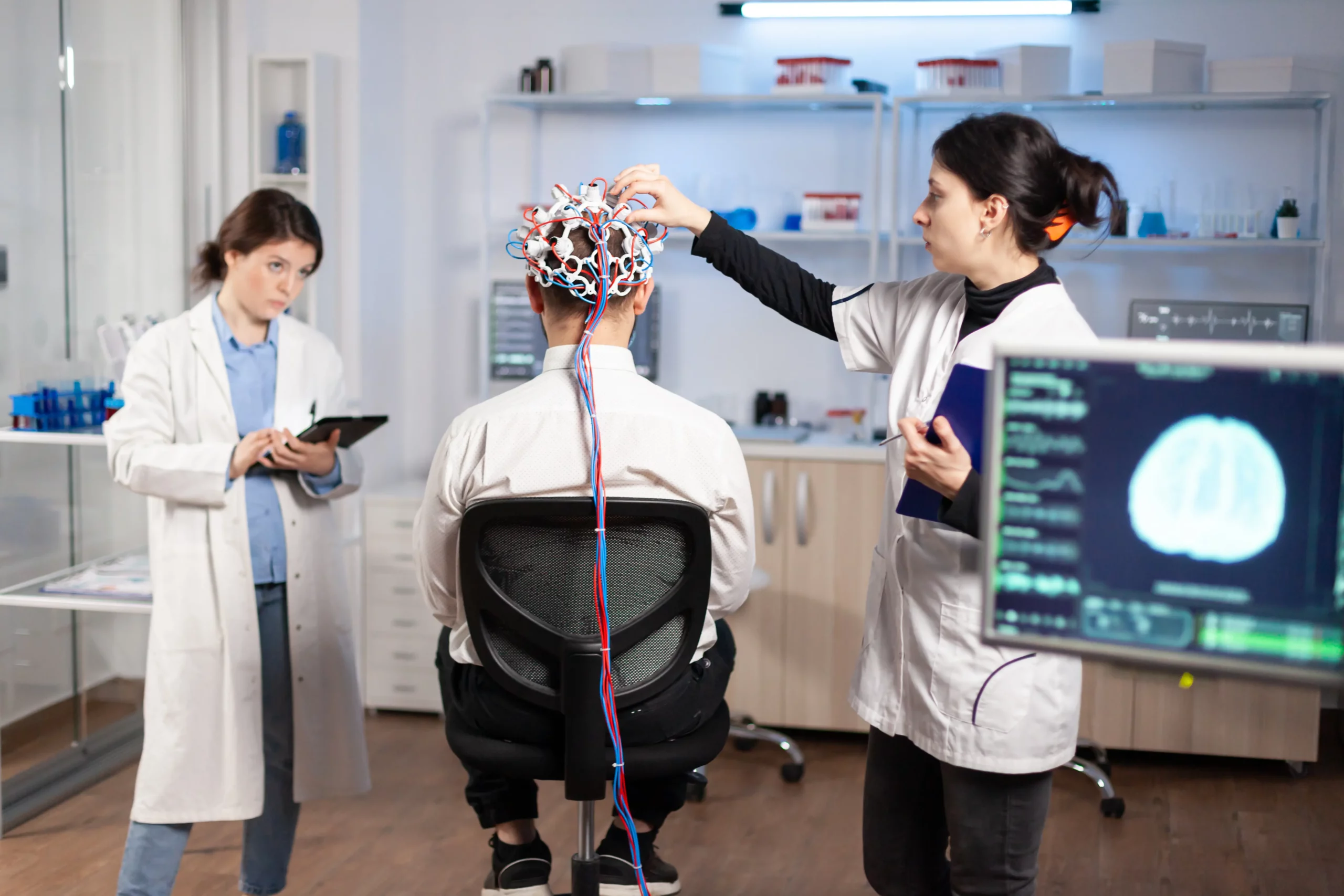
During each treatment session, a specialized TMS device delivers focused magnetic pulses to the brain’s mood centers. These pulses stimulate brain cells and normalize activity without anesthesia or recovery time. Think of it as a gentle “reset” for emotional health. Our TMS technicians use advanced mapping technology to personalize your treatment course, ensuring accurate targeting and optimal treatment response.
TMS is fundamentally different from antidepressant medications. Medications work systemically, meaning they circulate throughout your entire body and can produce side effects such as weight gain, sexual dysfunction, fatigue, or nausea. TMS has no systemic effects whatsoever — no drug enters your bloodstream. It targets specific brain circuits directly, without touching the rest of your body.
TMS also differs meaningfully from electroconvulsive therapy (ECT). ECT requires general anaesthesia, induces a controlled seizure, and is associated with short-term memory loss. TMS requires no anaesthesia, produces no seizure, and has no known effects on memory. Patients remain fully awake during every TMS session, can drive themselves to and from the clinic, and return immediately to their normal day.
TMS has received FDA clearance for major depressive disorder, OCD, anxious depression, and smoking cessation. Decades of peer-reviewed clinical research support its safety and efficacy.
Anaesthesia
Systemic Side-Effects
Min per session
Yourself home
We offer IV, IM, and Spravato under one roof, so your psychiatrist can match the
right approach to your situation.
FDA-CLEARED
Repetitive TMS (rTMS) uses a figure-8 coil to deliver focused magnetic pulses to the left dorsolateral prefrontal cortex. This is the primary FDA-cleared protocol for major depressive disorder and the most extensively studied form of TMS therapy in clinical literature. It is the foundation of treatment for most patients with depression.
FDA-CLEARED OCD & MORE
Deep TMS uses an H-coil to reach deeper and broader brain circuits than standard rTMS. It holds FDA clearance for OCD, anxious depression, and smoking cessation, in addition to major depression. For patients whose primary challenge is OCD or treatment-resistant anxious depression, dTMS provides a more targeted therapeutic pathway.
IV INFUSION
Theta-burst stimulation (TBS) delivers the same therapeutic magnetic targeting in significantly shorter session times — sometimes under 10 minutes — while maintaining comparable efficacy to standard rTMS protocols. Accelerated TMS schedules allow multiple sessions per day, compressing the overall treatment course for patients who need a faster pathway to relief.
A clear look at how TMS therapy differs from antidepressant medication and
electroconvulsive therapy — helping you make an informed decision with your care
team.
No medication, no systemic side effects, no anaesthesia, no needles. TMS works directly on
the brain — your body stays entirely out of the equation.
Backed by decades of peer-reviewed research and FDA-cleared for multiple conditions. Our protocols are selected by board-certified psychiatrists with 15–25+ years of experience.
In-network with Aetna, BCBS, Cigna, United, Empire BCBS, Oxford, and Medicare. We verify coverage for free — most patients pay $0–$50 per session with insurance.
Sessions are 20–30 minutes. You drive yourself to and from the clinic. Read, listen to music, or rest during treatment. Your day continues exactly as planned.
We review your history, answer
your questions, and verify your
insurance coverage — at no
cost and no obligation.
A standard program includes five TMS sessions per week for 4–6 weeks. Many notice improved focus, energy, and mood within the first few weeks.
Relax in a comfortable chair as the TMS machine emits light, rhythmic tapping. Most patients read, meditate, or listen to music during the brief outpatient procedure.
Over half of patients experience lasting symptom relief, and booster sessions can maintain progress for continued brain health and emotional stability.
*Source: Carpenter et al., Depression and Anxiety, 2012; multi-site clinical trial of 307 patients with treatment-resistant
depression.
Starting TMS is straightforward. Here is a clear, honest account of
what your treatment course at Village TMS looks like from the first
session through completion.
Before your first treatment pulse is delivered, your clinician performs motor threshold determination — a brief, precise calibration process that identifies the optimal magnetic intensity for your individual brain anatomy. A small test pulse is used to locate your motor cortex, and settings are adjusted from there. This personalisation step ensures your protocol is tailored to you, not applied as a generic setting. It adds approximately 15–20 minutes to your first session only.
You sit in a comfortable, reclining treatment chair. The TMS coil is positioned against the left side of your scalp. You will feel a light tapping or clicking sensation at the treatment site — most patients describe it as a noticeable but manageable rhythm. Sessions last approximately 20 to 30 minutes, depending on the protocol. You are free to read, listen to music, use your phone, or simply rest. No sedation is required. When the session ends, you stand up, collect your belongings, and drive yourself home. Most patients schedule sessions in the morning and go directly to work afterward.
A standard course of TMS at Village TMS consists of approximately 36 sessions delivered over roughly six weeks — around five sessions per week. This schedule follows the evidence-based treatment protocol and can be adjusted based on your clinical response and schedule. Some patients begin to notice shifts in mood, energy, or sleep as early as weeks two or three; others experience the most meaningful changes in weeks four through six. Your psychiatrist tracks progress with validated clinical measures throughout and adjusts your protocol as needed.
When your initial treatment course ends, your psychiatrist will evaluate your response and discuss next steps. Some patients benefit from periodic maintenance sessions — scheduled as clinically indicated — particularly if symptoms begin to re-emerge over time. There is no dependency, no withdrawal, and no systemic medication to manage. Many patients remain in remission for an extended period after a single course, and return for a booster course if and when they feel it is needed.
TMS in our Manhattan office offers a proven safety profile, with systemic side effects being rare. Mild scalp discomfort or temporary headaches may occur but fade quickly. Before starting, our healthcare professionals review your medical history to ensure safety and identify any issues. Every step of care is supervised by certified TMS providers to ensure a safe, supportive experience.
TMS is FDA-approved for major depression and treatment-resistant depression, with growing success across other mental health conditions.
Obsessive-Compulsive Disorder (OCD): Helps reduce intrusive thoughts and restore focus.
Post-Traumatic Stress Disorder (PTSD): Calms trauma-related anxiety and improves mood regulation.
Bipolar Disorder: Supports emotional balance and long-term brain health.
Chronic Pain: Eases the emotional burden tied to persistent discomfort.
We assist with prior authorization and verify insurance coverage before your first appointment to reduce stress and surprise costs. Flexible treatment options and payment plans are available for patients using out-of-network benefits or private pay. We believe every individual deserves access to safe, effective treatment and personalized Psychiatric Care.
No weight gain, no sexual side effects, no fatigue — none of the systemic effects associated with antidepressant medication.
Unlike ECT, TMS does not affect memory. Patients consistently report no cognitive changes attributable to TMS.
The risk of seizure is very low. Thorough pre-treatment screening identifies and excludes any patients for whom TMS is not appropriate.
TMS is not appropriate for patients with certain metallic implants near the head. Our pre-treatment screening process ensures you are a safe candidate before any treatment begins.
TMS & Ketamine therapy and evidence-based care for:
Including treatment-resistant depression —
the primary FDA-approved use of TMS.
FDA-approved deep TMS protocol for OCD
when therapy alone hasn't worked.
FDA-approved for depression with co-
occurring anxiety symptoms.
FDA-approved deep TMS protocol for
nicotine addiction.
TMS is FDA-approved for treatment-resistant depression and
covered by most major insurance plans. We handle the verification
and paperwork, so you can focus on getting better.
Takes 2 minutes. No commitment.
Board-certified psychiatrists with decades of experience treating depression, OCD,
and anxiety.
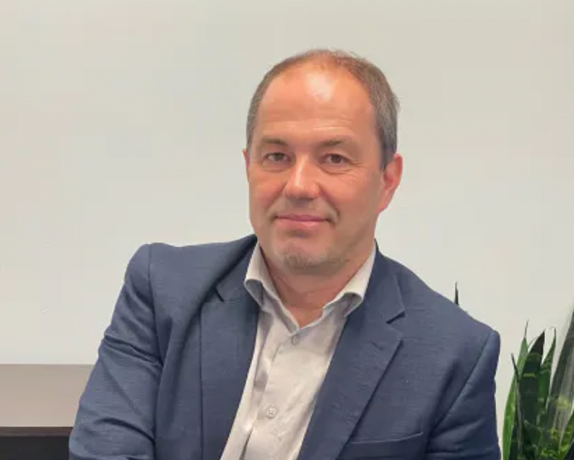
I founded Village TMS because so many of my patients had been failed by
standard treatment paths. My approach is unhurried, evidence-driven, and centred on what each person actually needs to feel like themselves again.
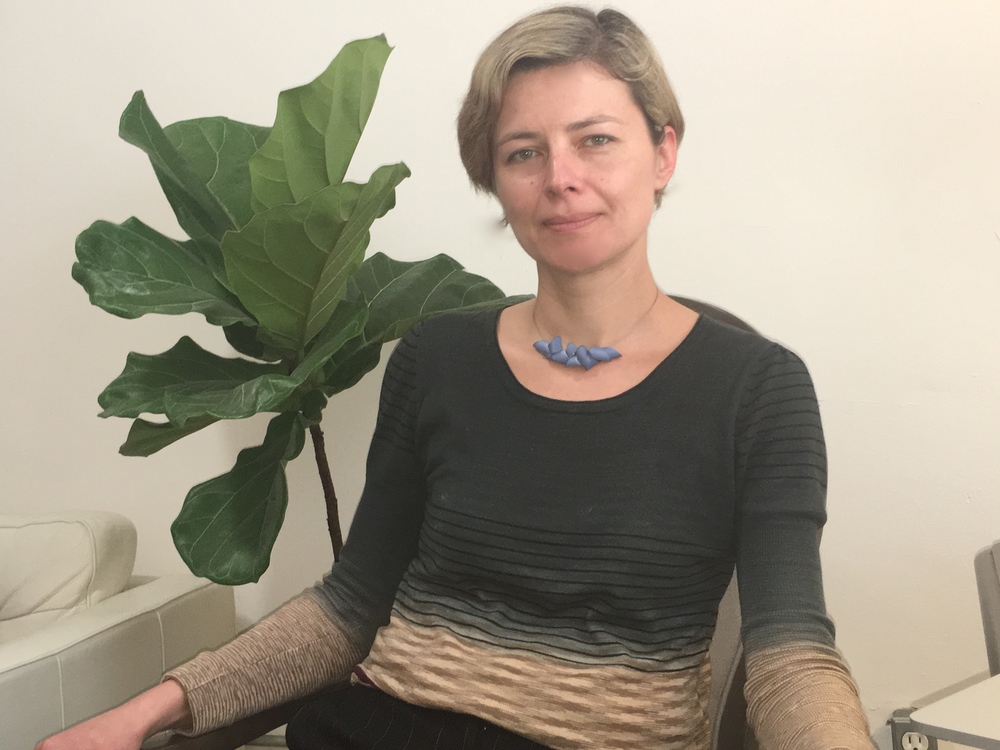
I came to TMS after watching patients
cycle through medications that didn't fit them. My focus is precision, matching the right protocol to the right person, and adjusting as we go.

I help adults and couples build self-awareness and deepen relationships. My work is grounded in Gestalt therapy and informed by EMDR, mindfulness, and transpersonal psychology. I combine deep emotional exploration with practical tools, working in a warm, collaborative space where clients feel genuinely seen and supported.
Everything you need to know before your free consultation.
· 5 min read
· 5 min read
· 5 min read
· 5 min read
· 5 min read
· 5 min read
We proudly serve patients throughout Manhattan and the greater New York area.
Greenwich Village ·
Chelsea · West Village ·
East Village · SoHo ·
Tribeca · Flatiron ·
Midtown
Williamsburg · Brooklyn
Heights · Park Slope ·
Long Island City · Astoria
· Forest Hills
Hoboken · Jersey City ·
Weehawken · Edgewater
· Fort Lee