Medically reviewed by Yuli Fradkin, MD, board-certified psychiatrist | Last reviewed December 2026
When TMS works, the relief can feel almost unfamiliar: sleeping through the night, getting through a workday without dread, enjoying things again. The next question comes quickly. Will it stay this way? It is a fair question for a treatment that asks for weeks of near-daily visits, and it deserves an answer built on follow-up data rather than reassurance.
This guide explains how long TMS results last according to published research, how often depression returns, what maintenance TMS and booster courses are, and how insurers handle retreatment. For an overview of the treatment itself, see our TMS therapy page.
What We Know
|
How long is TMS treatment?
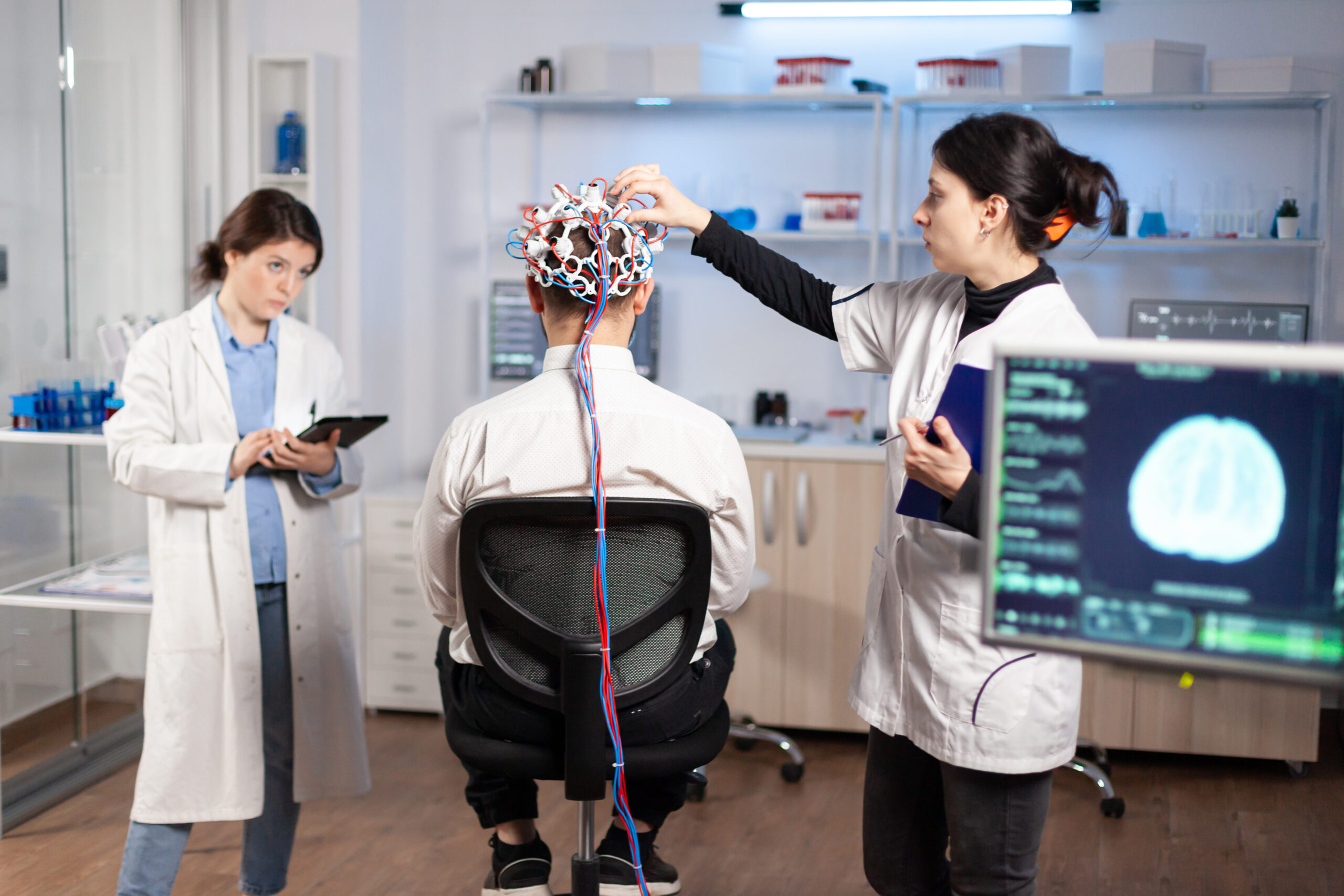
A standard course of TMS for depression is typically 30 to 36 sessions over 6 to 9 weeks, with sessions on weekdays. The National Institute of Mental Health describes a typical course as daily sessions five days a week for four to six weeks, with sessions lasting anywhere from 3 to 40 minutes depending on the protocol. Many protocols then add a short taper, spacing out the final sessions rather than stopping abruptly.
So how long does TMS therapy last as a commitment? Roughly two months of regular visits. How long the results last is a different question, and the answer depends on several things covered below. Our week-by-week guide to how TMS works walks through what happens during the course itself.
How long does TMS last? What the durability data shows
For most people who respond, TMS results last months and often a year or more, but not indefinitely for everyone. The best summary comes from a meta-analysis by Senova and colleagues in Brain Stimulation, which pooled 19 studies of patients who responded to an acute course and tracked them afterward.
| Time after the course | Share of responders still responding | Patients included |
|---|---|---|
| 3 months | 66.5% | 732 |
| 6 months | 52.9% | 695 |
| 12 months | 46.3% | 247 |
The authors summarized it as about half of responders keeping their response for up to a year. Two factors were linked to better durability: receiving maintenance treatment, and a higher proportion of women in the study group.
Real-world clinic data tells a similar story. In a one-year study by Dunner and colleagues in the Journal of Clinical Psychiatry, 257 patients completed an acute TMS course in everyday practice and were followed for 52 weeks. Of the 120 who had responded or remitted by the end of treatment, 75, or 62.5 percent, continued to meet response criteria throughout the year. Remission rates at 12 months were similar to those at the end of the acute course. During the year, 93 patients, about 36 percent, had TMS reintroduced, for an average of about 16 treatment days.
For context on how many people respond to a first course, see our TMS success rate article.
Why do results last longer for some people?
Depression is often a recurring condition, so a return of symptoms after any treatment is not unusual and does not mean the first course failed. Several factors seem to influence how long TMS results last:
- Remission versus partial response. People whose symptoms are largely gone tend to stay well longer than those who only improved.
- Ongoing care. Many patients continue an antidepressant, therapy or both after TMS, and the meta-analysis linked maintenance treatment to better durability.
- How treatment-resistant the depression was before TMS, including how many medications had already failed
- Life events, sleep, alcohol and stress, which can trigger relapse regardless of treatment
This is why we track progress with rating scales during treatment and plan for what happens after the course ends, rather than treating the last session as the finish line.
What is maintenance TMS?
TMS maintenance means scheduled sessions after a successful course, given before symptoms return, with the aim of preventing relapse. Schedules vary, from weekly to monthly sessions, and there is no single agreed protocol.
The evidence is promising but limited. A 2023 systematic review in the Journal of Personalized Medicine looked at 14 studies, only 3 of them randomized trials, so the data could not be pooled. Most studies found maintenance protocols lowered relapse risk, but the review reported that two or fewer sessions a month appeared ineffective and that relapse risk was highest after about five months.
Because the trial evidence is thin, most insurers do not cover maintenance TMS, as explained below. For patients with a history of frequent relapse, it can still be worth discussing, including as a self-pay option.
What is a booster course?
A booster course, also called retreatment or reintroduction, is TMS given again after symptoms start to come back. Instead of scheduled sessions while you are well, it responds to an early warning sign, such as worsening sleep, energy or mood.
Research suggests retreatment often works. In a 24-week follow-up study by Janicak and colleagues in Brain Stimulation, patients who had benefited from TMS were tracked on antidepressant medication alone. Ten of 99 relapsed. Of the 38 whose symptoms worsened, 32, or 84 percent, regained their benefit when TMS was reintroduced. Smaller studies have reported similar results.
Signs that it may be time to talk to your psychiatrist about a booster course include:
- Two weeks or more of returning low mood, loss of interest or hopelessness
- Changes in sleep, appetite or energy similar to those before your first course
- A rise in your depression rating scale score, if you track it
- Any thoughts of self-harm, which call for contacting your care team right away or calling or texting 988

Does insurance cover retreatment or maintenance TMS?
Insurers generally cover a repeat course after relapse if the first course clearly worked, but most do not cover maintenance sessions. The rules differ in the details:
| Payer | Repeat course after relapse | Maintenance TMS |
|---|---|---|
| Medicare (New York contractor) | May be considered if the prior course produced more than 50% improvement on a standard rating scale | Not considered reasonable and necessary |
| Cigna (2026 policy) | More than 50% improvement, maintained for at least 2 months after the last course | Not medically necessary |
| Aetna | At least 50% reduction, maintained for at least 2 months; not within 60 days of the prior course | Experimental and investigational |
| Optum (UnitedHealthcare) | Considered for a relapse at least 6 months after the last course, if it produced more than 50% improvement | Unproven and not medically necessary |
| TRICARE | May be covered if a prior course produced 50% or more improvement; a past non-response to a full course counts against approval | Not authorized; TMS is approved as a time-limited course |
Sources: the Medicare local coverage determination L33398, now administered for New York by Wellpoint Federal; Cigna’s coverage policy; and Aetna’s Clinical Policy Bulletin 0469. Your plan’s own policy is the one that applies, and criteria change from year to year. Optum and TRICARE rows: Optum’s Behavioral Clinical Policy on TMS and the TRICARE criteria summarized in a TriWest policy key (April 2026).
This is a practical reason to keep your rating scale scores from your first course. Documented improvement of more than 50 percent is usually what makes a second course approvable. Our guide to what insurers require for TMS and our TMS therapy cost page explain the process. We verify coverage for free before any repeat course. Village TMS is in network for TMS with Aetna, Cigna, Optum, TRICARE East (Humana Military) and Medicare. For other plans we can request a single case agreement, though approval is the insurer’s decision.
Is relapse after TMS different from relapse after medication?
Relapse is a feature of depression rather than of any one treatment. Antidepressants show the same pattern. In a large meta-analysis of 31 trials published in The Lancet, 18 percent of people who continued their antidepressant relapsed, compared with 41 percent of those switched to placebo. In other words, depression often returns when effective treatment stops, whatever that treatment was.
What differs with TMS is what happens next. There is no medication to taper and no withdrawal when a course ends, and if symptoms return, a repeat course can be given rather than adding another drug. For many patients that is a meaningful advantage, especially if medication side effects were part of the reason they came to TMS.

How to help your TMS results last
There is no guarantee, but several steps give you the best chance of staying well and catching a relapse early:
- Keep your follow-up appointments, even when you feel fine, so changes are noticed early
- Talk to your prescriber before changing any medication you were taking during TMS
- Consider continuing or starting psychotherapy, which can build skills for spotting and managing early warning signs
- Protect your sleep, since disrupted sleep is often one of the first signs of returning depression
- Limit alcohol and recreational drugs, which can worsen mood and undermine treatment
- Agree on a relapse plan with your psychiatrist: which signs to watch for, and how quickly to book a review
- Keep a copy of your rating scale scores, which insurers usually ask for before approving a repeat course
How we plan the end of your course
The last session of a TMS course should not be the last conversation about your depression. Toward the end of treatment, your psychiatrist reviews your rating scale scores against where you started, discusses whether you reached response or remission, and agrees a follow-up schedule with you.
That review covers whether to continue your current medication, whether therapy would help, and what would prompt a booster course. If you did not respond as hoped, it is also the point to discuss other options rather than repeating the same approach. Our complete guide to TMS therapy describes the full course from the first visit.
What if TMS does not last for you?
If relief fades quickly or a repeat course does not help, other options remain. Spravato and ketamine act on a different brain system, and some patients use them after TMS or alongside it. Our comparison of TMS vs Spravato vs ketamine explains how they differ, and our treatment-resistant depression hub lays out the full range of treatments we offer.
If you are weighing whether TMS is worth it at all, our article on TMS therapy side effects covers the other side of the decision.
Call 646-817-2835 or contact us to book a free consultation.