What Is Ketamine Therapy? Uses, Benefits, and What to Expect

What is Ketamine Therapy

Ketamine therapy has moved quickly from the fringes of psychiatric research into mainstream mental health treatment, and for good reason. For people living with severe depression, PTSD, or suicidal ideation who have not found relief through conventional treatments, ketamine therapy can offer something genuinely different: rapid, meaningful relief, sometimes within hours of the first infusion. But what is ketamine therapy, exactly, and is it right for you? Here is what you need to know.

What Is Ketamine Therapy?

Ketamine therapy refers to the clinical, medically supervised use of ketamine, an anaesthetic agent, to treat mental health conditions, most commonly treatment-resistant depression, PTSD, anxiety disorders, and in some cases, acute suicidal ideation. At Village TMS in New York, ketamine is administered intravenously under careful medical supervision, allowing for precise dosing and close monitoring throughout each session.

Unlike traditional antidepressants, which typically take weeks to produce noticeable effects, ketamine therapy works through a different mechanism entirely. It targets the brain’s glutamate system rather than the serotonin or dopamine pathways that most psychiatric medications act on. This different pathway is one reason ketamine therapy can produce results in patients who have not responded to other treatments.

ketamine for bipolar nyc

What Conditions Does Ketamine Therapy Treat?

Ketamine therapy is most commonly used for:

  • Treatment-resistant depression: People who have not responded to two or more antidepressant medications
  • Major depressive disorder with suicidal ideation: Ketamine therapy can reduce suicidal thoughts rapidly, making it particularly valuable in acute situations
  • PTSD: Research supports the use of ketamine therapy in reducing the severity of PTSD symptoms
  • Anxiety disorders: Including generalised anxiety and social anxiety that has not responded to standard treatment
  • Chronic pain conditions: Ketamine has established applications in pain management that overlap with its mental health uses

Ketamine therapy is not a first-line treatment. It is typically considered when other approaches have been tried and have not provided sufficient relief.

How Does a Ketamine Therapy Session Work?

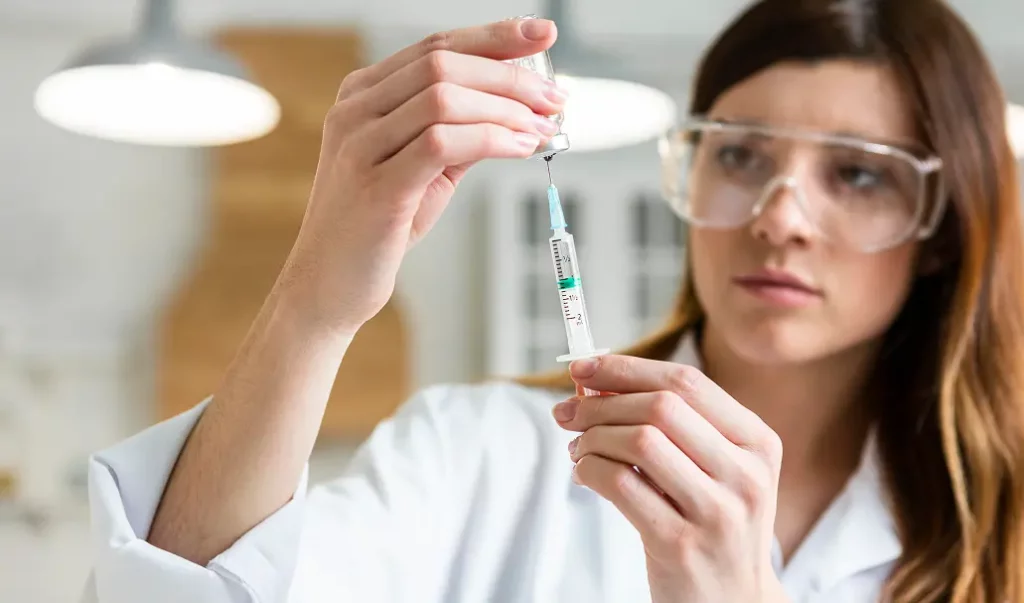
At Village TMS, ketamine therapy is delivered as an intravenous infusion. Here is what a typical session looks like:

  • You arrive at the clinic and are settled into a comfortable, calm treatment space
  • An IV line is placed and the ketamine infusion begins at a carefully controlled dose
  • The session typically lasts between 40 and 60 minutes
  • During the infusion, you may experience altered perceptions, a feeling of dissociation, or a dreamlike state. This is normal and expected
  • A member of our medical team is present throughout the entire session
  • After the infusion, you rest in the clinic for a short period before being collected by a friend or family member


A standard course of ketamine therapy for depression typically involves six infusions delivered over two to three weeks. Maintenance infusions may be recommended thereafter depending on your response.

What Does Ketamine Therapy Feel Like?

This is one of the most common questions people ask, and understandably so. The dissociative effects of ketamine therapy can feel unusual, particularly during a first session. Patients often describe a sense of floating, vivid imagery, or a feeling of being gently detached from their surroundings. Some find the experience peaceful and even profound. Others feel disoriented initially.

It is important to know that these sensations are temporary and resolve as the infusion ends. The clinical environment at Village TMS is designed to be calm and supportive throughout, and our team will prepare you thoroughly so that you know what to expect before your first session.

Ketamine for Anxiety NYC

How Quickly Does Ketamine Therapy Work?

One of the most remarkable aspects of ketamine therapy is its speed. Many patients report a noticeable lift in mood within 24 hours of their first infusion, sometimes sooner. This rapid onset makes ketamine therapy particularly valuable for people in acute distress or those who have been waiting a long time for conventional treatments to take effect.

The full antidepressant effect typically builds across the initial course of infusions. While the response is often dramatic for many patients, it is important to have realistic expectations, since not everyone responds in the same way, and the duration of benefits can vary.

Is Ketamine Therapy Safe?

When administered in a properly supervised clinical setting, ketamine therapy has a well-established safety profile. Village TMS follows rigorous protocols to ensure patient safety at every stage, from initial screening through to post-infusion monitoring. Ketamine therapy is not appropriate for everyone, and a thorough medical evaluation is conducted before treatment begins to identify any contraindications.

Ketamine therapy should always be distinguished from recreational ketamine use. The doses used in a clinical setting are carefully calibrated, the environment is controlled, and medical oversight is continuous.

Ketamine for OCD

Ready to Find Out if Ketamine Therapy Is Right for You?

Taking the first step can feel daunting, but you do not have to figure this out alone. The team at Village TMS in New York has the experience and the compassion to guide you through the process, answer every question you have, and help you decide whether ketamine therapy is the right path forward for you.

Contact Village TMS today to speak with our team or arrange your initial consultation.

Call us now to get your FREE consultaion

Take this next step, we’ll help with the others.

Explore More Blog Posts

Frequently Asked Questions

We've Got Answers

How is ketamine therapy different from esketamine (Spravato)?

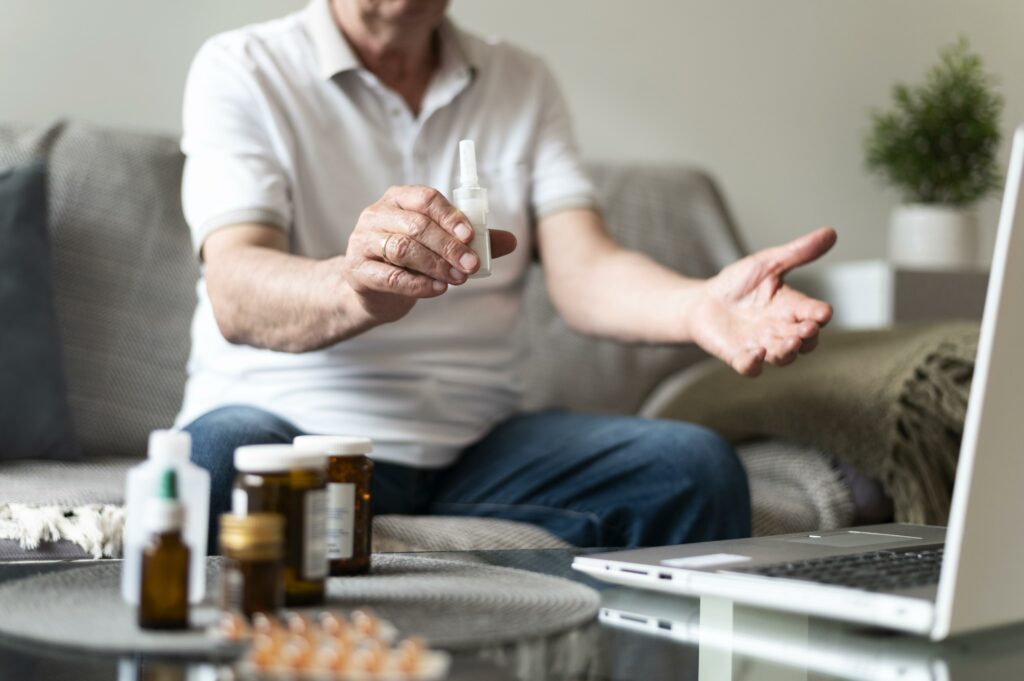
Esketamine, sold under the brand name Spravato, is a nasal spray form of ketamine approved by the FDA for treatment-resistant depression. IV ketamine therapy, as offered at Village TMS, uses the racemic form of ketamine delivered intravenously. Both work through similar mechanisms, but IV ketamine allows for more precise dosing and a faster rate of administration.

Will I need ongoing ketamine therapy sessions?

Some patients maintain their improvement after the initial course with no further treatment. Others benefit from periodic maintenance infusions. Your response to the initial course will guide decisions about ongoing ketamine therapy, and these will always be discussed openly with you.

Can I combine ketamine therapy with my existing medication or therapy?

In most cases, yes. Ketamine therapy is often used alongside existing medications and psychotherapy rather than replacing them. Your full medication list will be reviewed before treatment begins to ensure there are no interactions.

How do I know if I am a good candidate for ketamine therapy?

The best way to find out is through a proper consultation. Generally, ketamine therapy is considered for people with treatment-resistant depression or other qualifying conditions who have tried other approaches without adequate relief. Village TMS conducts a thorough evaluation before recommending any course of treatment.

Is ketamine therapy covered by insurance?

Currently, IV ketamine therapy is not consistently covered by insurance in the way that some other treatments are. Village TMS will discuss costs and financing options with you transparently during your consultation so there are no surprises.