Choosing a treatment for depression is also choosing the people who will deliver it. You will see them several times a week for TMS, sit with them through two hours of monitoring for Spravato or talk with them before and after a ketamine session. Who they are, how they were trained and how they make decisions shapes your care as much as the device or the medication.
Village TMS is a psychiatric practice at 80 5th Avenue in Manhattan, offering TMS therapy, Spravato, IV and IM ketamine, ketamine-assisted psychotherapy and broader mental health support. This page introduces our clinical team and explains how we practice: how we evaluate new patients, how we choose and deliver treatment, how we keep it safe and how we follow up. For an overview of the treatments themselves, start with our TMS therapy page or our ketamine therapy page.
What We Know
|
Who is on the Village TMS clinical team?
Our team combines psychiatric medicine with psychotherapy..Our psychiatrists lead evaluation, diagnosis and treatment planning and supervise every treatment. Sofia Dro supports patients through preparation and integration. Trained TMS technicians deliver TMS sessions under physician supervision.
Dr. Yuli Fradkin, MD
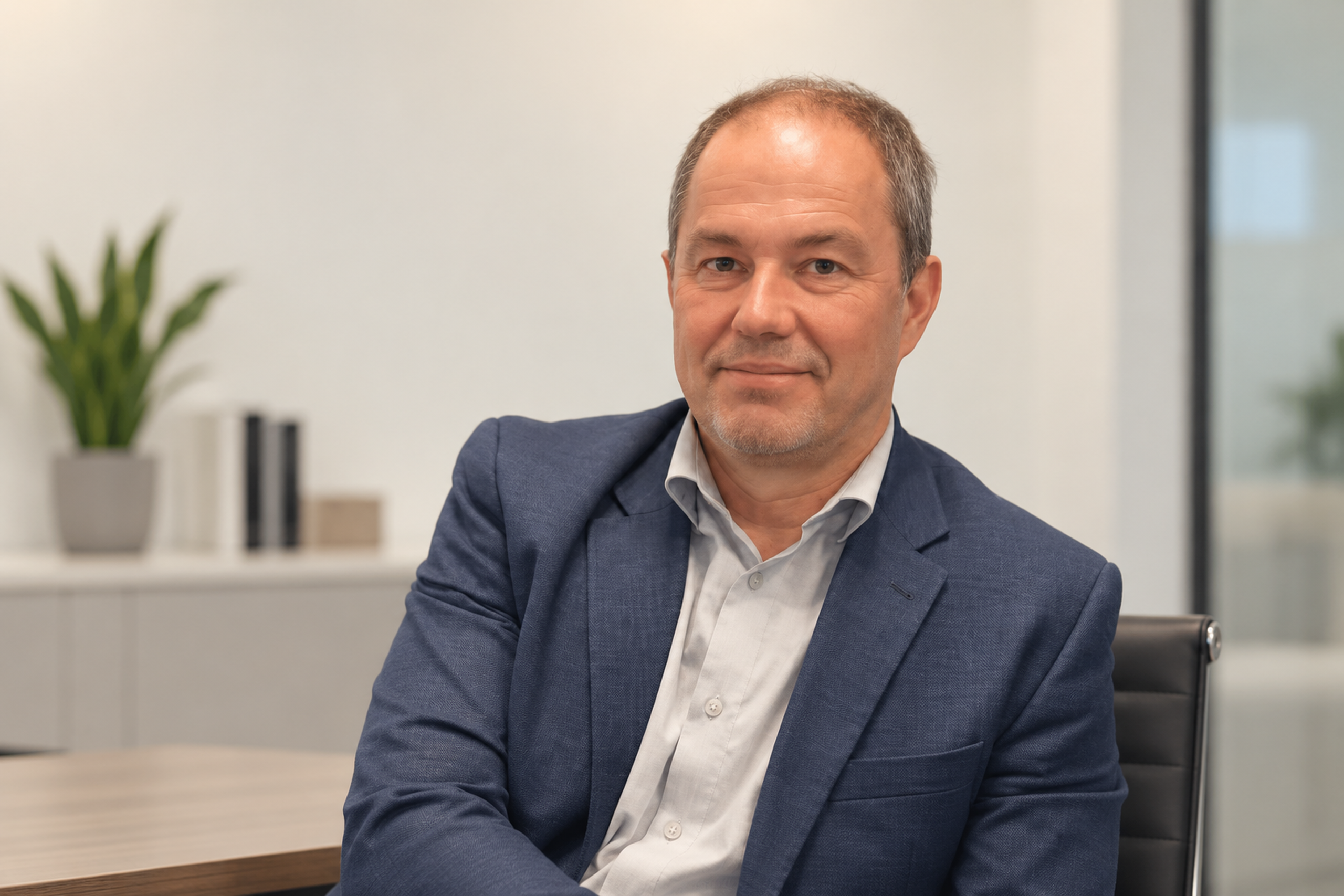
Dr. Fradkin is a board-certified psychiatrist with more than 25 years of experience and the founder of Village TMS. He trained at Rutgers University and NYU School of Medicine, is affiliated with Mount Sinai and speaks English and Russian. His clinical focus is treatment-resistant depression, TMS and obsessive-compulsive disorder.
He describes the reason for the practice simply: “I founded Village TMS because so many of my patients had been failed by standard treatment paths.” His approach, in his words, is “unhurried, evidence-driven, and and centered on what each person actually needs to feel like themselves again.” In our ketamine programs, Dr. Fradkin handles the medical side, from screening and choosing the delivery format to dosing and monitoring vital signs.
Dr. Elena Bruck, MD
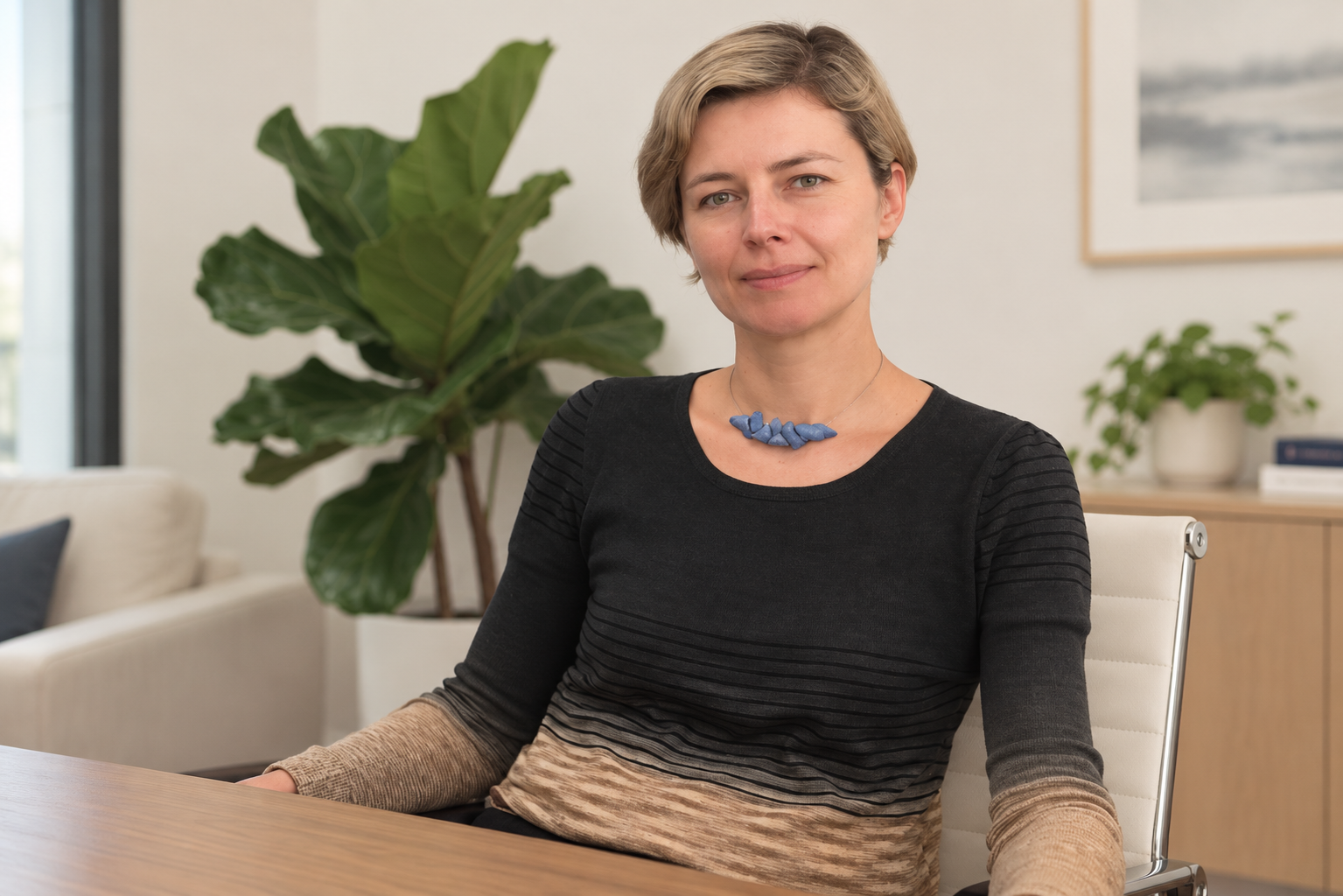
Dr. Bruck is a board-certified psychiatrist with more than 15 years of experience. She trained at Columbia University, completed her residency at Mount Sinai and is on the faculty of the NYU Department of Psychiatry. She speaks English, Russian and German, and her clinical focus is TMS, anxious depression, PTSD and women’s mental health.
Dr. Bruck came to TMS, she says, “after watching patients cycle through medications that didn’t fit them.” Her focus is “precision, matching the right protocol to the right person, and adjusting as we go,” which is the principle behind how we choose treatments, described in detail below.
Sofia Dro, MA
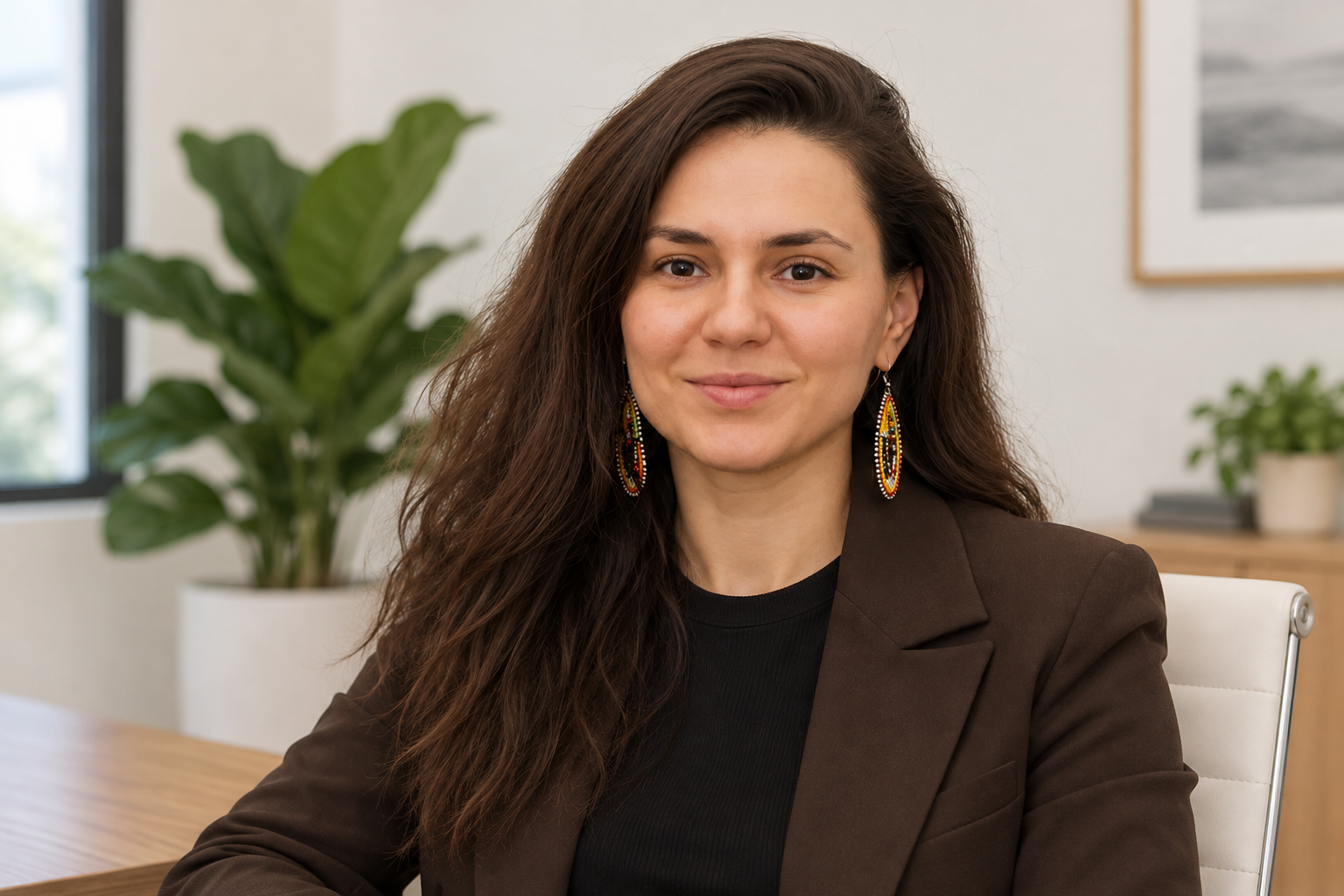
Sofia Dro is a psychotherapist and coach who trained at Naropa University and Columbia University and completed advanced couples training at the PACT Institute. She speaks English and Russian, and her areas of focus include anxiety, ADHD, life transitions, relationships and identity.
Her work is grounded in Gestalt therapy and informed by EMDR, mindfulness and transpersonal psychology. In our ketamine-assisted psychotherapy program, she leads preparation and integration using Internal Family Systems and somatic methods, helping patients set an intention before dosing and carry what they notice into daily life afterward. Sofia is a psychotherapist, not a physician, and medical decisions rest with our psychiatrists.
What does board-certified mean?
Board certification is an independent check on a psychiatrist’s training and knowledge, beyond holding a medical license. According to the American Board of Psychiatry and Neurology, a certified psychiatrist has:
- Completed an accredited or ABPN-approved residency training program
- Held an unrestricted license to practice medicine in at least one US state or Canadian province
- Completed the continuing education, self-assessment and practice improvement activities the program requires
- Kept up ABPN continuing certification, met either by a recertification exam every 10 years or by ABPN’s article-based assessment pathway You do not have to take any clinic’s word for it. The ABPN offers a free certification verification tool where anyone can look up a physician by name. We encourage patients to use it for us and for any other practice they are considering.
What principles guide how we practice?
A few principles shape every decision we make, from the first phone call to the last follow-up visit. They are what our patients should expect from us, and what they should hold us to.
- Evidence first. We recommend treatments with published support for your condition, and we tell you plainly when the evidence is still emerging.
- Unhurried evaluation. We review your full history before recommending anything, because a rushed decision often repeats the mistakes of earlier treatment.
- The right protocol for the right person. We offer several treatments so the choice can follow your needs rather than our inventory.
- Measure, then adjust. We track progress with validated rating scales and change the plan when the numbers show it is needed.
- Physician supervision. Every treatment plan is set by a board-certified psychiatrist, and care is delivered under physician supervision.
- Honesty about limits. When a different level of care would serve you better, we say so directly.
- Clear costs. We verify your insurance for free and explain your expected costs before treatment begins.

What happens at your first visit?
Your first contact with us is a free consultation of about 15 minutes. We review your history, answer your questions and verify your insurance coverage at no cost and with no obligation. If a treatment looks like a reasonable fit, the next step is a full psychiatric evaluation.
During the evaluation, a psychiatrist reviews your diagnosis, every medication and therapy you have tried, your medical history and your goals. We look for anything that changes the plan, such as bipolar disorder, a co-occurring anxiety disorder or PTSD, or a medical condition that affects safety. Then we discuss the options that fit, including what each involves, how long it takes, what it costs and what results are realistic.
It helps to bring:
- A list of past antidepressants with doses, dates and why each was stopped
- Notes on any therapy you have had
- Your current medications and supplements
- Medical history, including seizures, implants, blood pressure, heart or vascular conditions and pregnancy
- Your insurance card
If your depression has not improved after two or more antidepressants, our page on treatment-resistant depression explains how we approach that diagnosis.
How do we deliver TMS?
A standard TMS course at Village TMS is about 36 sessions over roughly six weeks, around five sessions per week, each lasting about 20 to 30 minutes. You stay awake in a reclining chair, feel a light tapping at the treatment site and drive yourself home afterward.
Your first session includes motor threshold determination, a precise calibration that sets the magnetic intensity for your brain and adds about 15 to 20 minutes to that visit only. We deliver repetitive TMS with an FDA-cleared figure-8 coil system for major depression.
Your psychiatrist tracks progress with validated measures throughout the course and evaluates your response at the end. Some patients benefit from maintenance or booster sessions later. The National Institute of Mental Health describes how TMS differs from other brain stimulation treatments, and our week-by-week TMS guide and deep TMS vs standard TMS comparison go further.
How do we deliver Spravato?
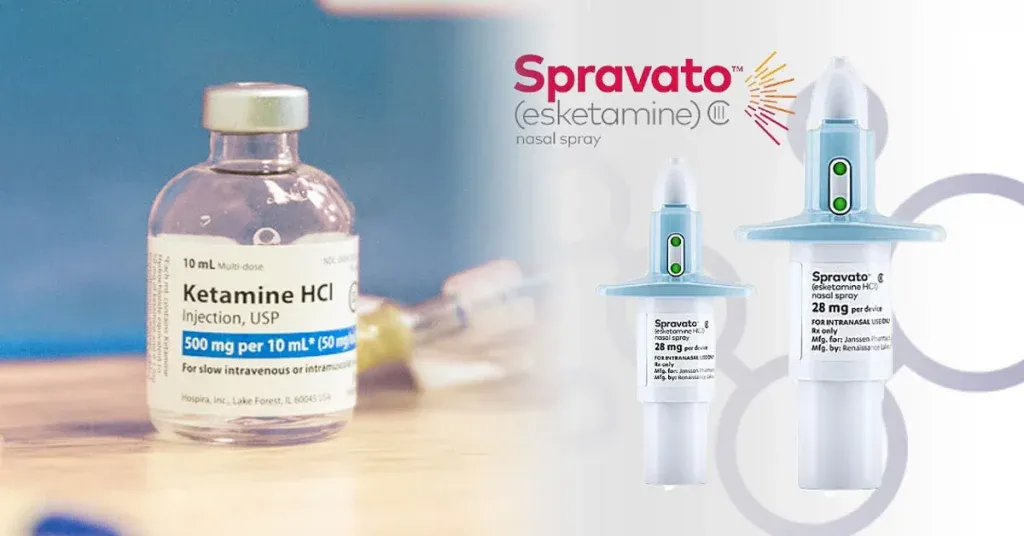
Spravato is given only in a certified healthcare setting under the FDA’s REMS safety program, and Village TMS is a REMS-certified Spravato treatment center. You self-administer the nasal spray under the direct supervision of our clinical team, then stay with us for at least two hours of monitoring while we track your vital signs.
Before your first session, we screen for conditions such as high blood pressure, breathing problems and vascular conditions, and we give you the safety information and medication guide so you and your family understand the effects. You should not drive until the next day after a restful sleep, so you will need a ride home. Our Spravato NYC page explains the treatment, and our guide to Spravato costs covers insurance and savings programs.
How do we deliver ketamine and ketamine-assisted psychotherapy?
We offer IV ketamine infusions and IM ketamine injections, each lasting about 40 minutes plus monitoring, in a quiet, monitored room. Dr. Fradkin chooses the delivery format and administers treatment while tracking heart rate, blood pressure and your response, and our team is present the entire time.
In ketamine-assisted psychotherapy, a typical program is six to eight dosing sessions over three to four weeks, followed by optional integration sessions. Preparation with Sofia Dro comes first, and integration follows each medical session and continues afterward. We suggest eating a light meal three to four hours before a session, and you will need a ride home. Our articles on what to expect during a ketamine infusion and what ketamine therapy feels like describe a session in detail.
How do we decide which treatment is right for you?
We weigh your safety screening, your treatment history, how severe and urgent your symptoms are, the side effects you are willing to accept, your schedule and your insurance. No single treatment is best for everyone, and offering all three lets us choose based on fit.
| TMS | Spravato | IV or IM ketamine | |
|---|---|---|---|
| Visit length | About 20 to 30 minutes | Dose plus at least 2 hours of monitoring | About 40 minutes plus monitoring |
| Driving | Drive yourself home | Ride home required | Ride home required |
| FDA status | FDA-cleared | FDA-approved | Used off-label |
| Insurance | Covered by most major plans with criteria | More often covered than IV or IM | Often self-pay |
Our articles comparing Spravato and IV ketamine and TMS and ECT explain how we think about the trade-offs, and our guide to TMS success rates sets realistic expectations.
How do we keep treatment safe?
Safety starts before treatment and continues through every session. We review your medical history, psychiatric background and prior treatments at the start, and we screen out anyone for whom a treatment is not appropriate, such as people with certain metal implants near the head for TMS.
- For TMS, seizure risk is very low, and pre-treatment screening identifies patients for whom TMS is not appropriate
- For Spravato and ketamine, vital signs are monitored throughout each session, and you are cleared before you leave
- Every session is delivered in a calm clinical setting, and our practice is HIPAA-compliant
Our articles on TMS therapy side effects, ketamine therapy side effects and who is not a good candidate for ketamine therapy explain the risks and screening in full.
What conditions do we treat?
We treat adults with major depressive disorder, including treatment-resistant depression, as well as obsessive-compulsive disorder, anxious depression and anxiety disorders, PTSD, bipolar disorder, and we provide TMS as adjunct care for ADHD alongside standard treatment.
Condition-specific pages explain each approach, including ketamine for OCD, TMS for PTSD, TMS for ADHD, bipolar disorder treatment and ketamine for bipolar disorder. Our mental health support services also include psychiatric evaluation, medication management and therapy such as cognitive behavioral therapy.
How do we work with your other providers?
Many of our patients already have a therapist, a primary care doctor or another psychiatrist, and we coordinate with them where that helps. Clinicians can refer a patient through our provider referral page or by calling the office, and we contact the patient to schedule a free consultation.
Coordination matters because treatments like TMS, Spravato and ketamine work best as part of a broader plan. Your existing medications, therapy and medical care all affect what we recommend, and keeping everyone informed, with your permission, helps avoid gaps and conflicts.
Where are we, and when are we open?
Our office is at 80 5th Avenue, Suite 1405, New York, NY 10011. We are open Monday through Friday from 8am to 9pm, Saturday from 8am to 3 pm, which makes it easier to fit daily TMS sessions around work.
We see patients from across Manhattan, including Greenwich Village, the West Village, the East Village, Chelsea, Flatiron, SoHo, Tribeca and Midtown, as well as Brooklyn, Queens and northern New Jersey. If you are comparing practices, our guide to finding a TMS provider near you lists what to look for.
How do insurance and costs work?
Village TMS is in network with Aetna, BCBS, Cigna, United, Empire BCBS, Oxford and Medicare, and we verify your coverage for free before your first session. For TMS, many insured patients pay $0 to $50 per session, depending on their deductible, copay and coinsurance and we handle prior authorization paperwork.
Spravato is more often covered by insurance than IV or IM ketamine, which are used off-label and are usually self-pay. Flexible self-pay plans and support for out-of-network reimbursement are available. Our TMS therapy cost page, our guide to what insurers require for TMS and our ketamine insurance coverage page explain the details.
Call 646-817-2835 or contact us to book a free consultation.