Ketamine Therapy in NYC: new hope when antidepressants haven't worked

Physician-led ketamine assisted therapy in Manhattan for treatment-resistant depression, anxiety, and PTSD. IV ketamine, IM injections, and FDA-approved Spravato®, each delivered and monitored by board-certified psychiatrists.

Or call (646) 817-2835 — speak with our team now

Rated 5.0

On Google reviews

FDA-Cleared

Safe & evidence-based

In-Network

Aetna, BCBS, Cigna, United

Board-Certified

Psychiatrists, 25+ years

verified Google Reviews

See all reviews →

INSIGHTS

What Is Ketamine Assisted Therapy?

Ketamine assisted therapy is a modern psychiatric treatment that uses low,
carefully controlled doses of ketamine to relieve symptoms of depression and other mood disorders. Originally introduced decades ago as a safe surgical anaesthetic, ketamine has since been studied extensively for its effects on mood. At our Manhattan clinic, every dose is administered and monitored by board-certified psychiatrists in a calm, clinical setting.

What makes ketamine different is how it works in the brain. Most
antidepressants target the serotonin system and can take four to six weeks tomake a difference. Ketamine acts on the brain's glutamate and NMDA
receptor system, which is believed to promote neuroplasticity, the brain's
ability to form new neural connections. This mechanism is one reason
ketamine can sometimes help people who have not responded to traditional
medications.

For New Yorkers across Manhattan, Brooklyn, Queens, and northern New
Jersey, ketamine assisted therapy in New York offers another evidence-
based option when standard treatments have fallen short. It is not a quick fix
or a take-home prescription. It is a supervised medical treatment delivered aspart of a personalised plan.

Science-Backed

Ketamine's antidepressant effects have been studied in numerous peer-
reviewed trials, and esketamine (Spravato®) is FDA-approved for treatment-resistant depression.

Ketamine treatment near me

YOUR OPTIONS

Three Evidence-Based Ketamine
Treatments

We offer IV, IM, and Spravato under one roof, so your psychiatrist can match the
right approach to your situation.

IV INFUSION

IV Ketamine Infusions

A precise, low-dose infusion delivered slowly in our clinic over a roughly 40- minute monitored session. Dosing is tightly controlled and your vitals are tracked throughout.

Nasal Spray

Spravato® (Esketamine)

An FDA-approved nasal spray for treatment-resistant depression, self-administered under supervision in our REMS-certified clinic and followed by on-site monitoring.

IM INJECTION

Intramuscular (IM) Injections

A controlled low-dose intramuscular option that some patients prefer as a simpler alternative to IV, administered and monitored in-clinic by our team.

Ready to see if Ketamine Therapy is right for you?

FDA-APPROVED OPTION

Spravato® (Esketamine): What You Should Know

Spravato® (esketamine) is a nasal spray derived from ketamine. It is FDA-approved for treatment-resistant depression in adults, used together with an oral antidepressant. It is also approved for depressive symptoms in adults with major depressive disorder who have acute suicidal thoughts or behaviour.

Because of its profile, Spravato must be administered in a healthcare setting certified under the FDA's REMS (Risk Evaluation and Mitigation Strategy) program. After each dose, patients are monitored on-site for at least two hours and cannot drive for the rest of that day, so you will need to arrange a ride home.

This in-clinic model is also why Spravato is more frequently covered by insurance than IV or IM ketamine, which are typically used off-label. Candidates are generally adults whose depression has not responded adequately to other antidepressants. A psychiatrist will onfirm whether it is appropriate for you.

Spravato at a glance

CLEAR COMPARISON

IV Ketamine vs IM vs Spravato — How
They Compare

A side-by-side look to help you and your psychiatrist choose the right path.

Treatment How it's given Typical session
length
FDA status Insurance
likelihood
Best suited for
IV Infusion
Slow intravenous drip,
in-clinic
~40 min, plus
monitoring
Off-label for
mood disorders
Often self-pay /
out-of-network
Rapid relief, treatment-resistant
depression, certain chronic pain
IM Injection
Intramuscular injection,
in-clinic
~40 min, plus
monitoring
Off-label for
mood disorders
Usually self-pay
A simpler alternative to IV for
some patients
Spravato® Nasal Spray
Self-administered nasal
spray under supervision
Dose plus ~2 hr
monitoring
FDA-approved
for TRD
More often
covered by
insurance
Treatment-resistant depression,
alongside an oral antidepressant

IV and IM ketamine are used off-label and are frequently self-pay. Spravato is FDA-approved and, because it is given in-clinic, is more often covered. We verify your specific coverage for free.

WHY PATIENTS CHOOSE US

Why Patients Choose Ketamine Therapy
At Village TMS

Rapid Relief

For some patients,
improvements can emerge
within hours or days, rather
than the weeks typical of oral
antidepressants.

Science-Backed

Grounded in a growing body of
peer-reviewed research on
ketamine and esketamine for
mood disorders.

FDA-Approved &
Monitored

Spravato is FDA-approved and
delivered in our REMS-certified
clinic, with structured
monitoring after every dose.

Safe & Supervised

Every session is led by board-
certified psychiatrists in a
controlled setting, with your
vitals tracked throughout.

HOW IT WORKS

Your Path, in Four Steps

FREE

Free Consultation

We review your history, answer
your questions, and verify
insurance coverage at no cost.

PERSONALIZED

Personalized Protocol

A psychiatrist selects the right
approach for you, IV, IM, or
Spravato, based on your
needs.

MONITORED

Monitored Sessions

You're cared for in a
comfortable setting with vitals
tracked throughout each
session.

ONGOING

Integration & Follow-Up

We support you between and
after sessions, with
maintenance care as clinically
indicated.

Ready to see if Ketamine Therapy is right for you?

THE PATIENT JOURNEY

What to Expect During Treatment

Before

You begin with a consultation. We take a careful medical and psychiatric history, discuss your goals, and design a personalised protocol. We also verify your insurance coverage and answerany questions so you feel informed before anything begins.

During

You're seated comfortably in a quiet, monitored room. A typical session lasts around 40 minutes,
with vitals tracked throughout. Many patients notice a mild, transient sense of dissociation, a
floating or dreamlike feeling, that fades as the session ends. Our team is present the entire time.

After

Because of the temporary effects, you should not drive on a treatment day, so arrange a ride
home in advance. Many patients benefit from optional integration or therapy support to help
translate the experience into lasting change.

Course of Care

Treatment usually starts with an initial series of sessions, followed by maintenance visits as
clinically indicated. Your psychiatrist tracks your response and adjusts the plan over time, rather
than following a fixed one-size-fits-all schedule.

Ready to see if Ketamine Therapy is right for you?

HONEST ANSWERS

Is Ketamine Therapy Safe? Side-Effects &
Monitoring

When administered by trained psychiatrists in a monitored clinical setting,
ketamine has a well-established safety profile. The most common effects are
mild and temporary. Some patients experience brief dizziness, a short-lived
sense of dissociation, mild nausea, or temporary changes in blood pressure.
These typically subside within the monitoring period after a session.


That is exactly why every treatment at our clinic is supervised. We use
controlled, low doses, track your vitals throughout, and keep board-certified
psychiatrists present during care. Ketamine is not suitable for everyone,
including some people with certain cardiovascular or psychiatric conditions,
which is why thorough screening before treatment matters. If ketamine isn't
the right fit, we'll tell you and discuss alternatives.

Common, temporary effects

All sessions are monitored by board-certified psychiatrists. Screening determines whether ketamine is appropriate for you.

Conditions We Treat

TMS & Ketamine therapy and evidence-based care for:

Major Depressive Disorder

Including treatment-resistant depression —
the primary FDA-approved use of TMS.

More about depressive disorder →

Obsessive-Compulsive Disorder

FDA-approved deep TMS protocol for OCD
when therapy alone hasn't worked.

More about OCD →

Anxious Depression

FDA-approved for depression with co-
occurring anxiety symptoms.

More about anxious depression →

PTSD

Evidence-based TMS protocols for trauma-
related symptoms.

More about ptsd →

ADHD (Adjunct Care)

Supportive treatment alongside standard
ADHD care.

More about adhd →

Smoking Cessation

FDA-approved deep TMS protocol for
nicotine addiction.

More about smoking cessation →

Meet Your Care Team

Board-certified psychiatrists with decades of experience treating depression, OCD,
and anxiety.
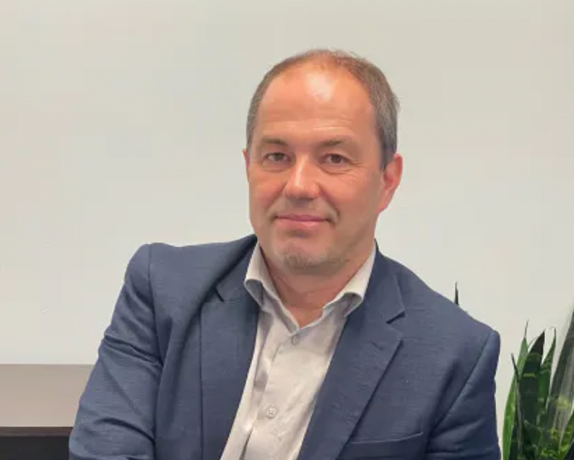
Dr. Yuli Fradkin, MD

Board-Certified Psychiatrist · 25+
Years Experience

I founded Village TMS because so many of my patients had been failed by
standard treatment paths. My approach is unhurried, evidence-driven, and centred on what each person actually needs to feel like themselves again.
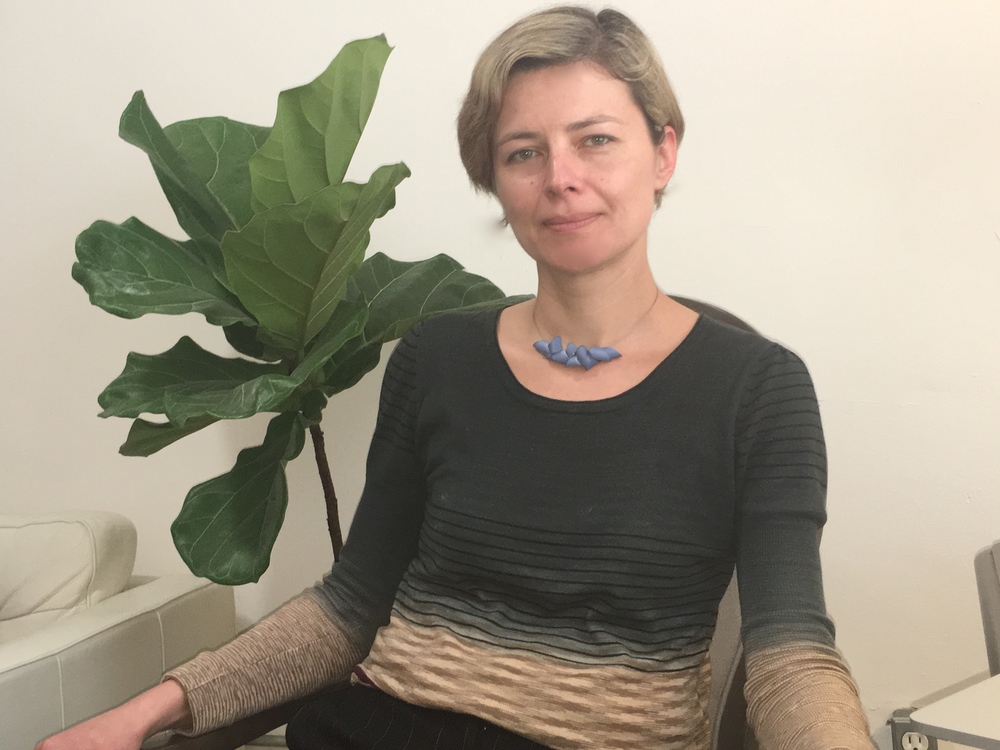
Dr. Elena Bruck, MD

Board-Certified Psychiatrist · 15+ Years Experience

I came to TMS after watching patients
cycle through medications that didn't fit them. My focus is precision, matching the right protocol to the right person, and adjusting as we go.

Common Questions About Ketamine Therapy

Everything you need to know before your free consultation.
What Does TMS Stand For?

TMS stands for Transcranial Magnetic Stimulation, an advanced therapy for mood disorders that uses a TMS machine to deliver safe magnetic pulses to the brain. This approach stimulates underactive areas of the brain linked to mood regulation, helping restore balance and improve emotional health. Many patients turn to TMS when traditional antidepressant medications have not provided relief.

What does "treatment-resistant" mean?

A condition is labeled “treatment-resistant” if symptoms persist despite trying multiple evidence-based therapies. For example, depression is considered treatment-resistant after failing at least two antidepressant medications (at adequate doses and durations) combined with psychotherapy. This doesn’t mean you’re “out of options”—it simply guides us toward advanced therapies like TMS.

Is TMS an Outpatient Procedure?

Yes, TMS is an outpatient procedure, performed at our Medical Center, allowing you to return to work or school immediately after your appointment. Each session lasts about 15–20 minutes, and no anesthesia is required. Because there is no recovery time, it fits easily into most daily routines.

How Does TMS Compare to Antidepressant Medications?

Unlike antidepressant medications, TMS directly stimulates nerve cells in the prefrontal cortex. This targeted approach reduces the side-effects of TMS while addressing the root cause of mental health conditions. For patients with treatment-resistant depression, TMS can be an important next step when medications alone are not effective.

Can I continue my current medications during TMS?

Yes! TMS can be safely combined with most medications. In fact, many patients use it alongside antidepressants or mood stabilizers. Never stop or adjust medications without consulting your prescribing provider first.

How Many Sessions Are Required?

A full treatment course usually includes 20–36 sessions. Each course of treatment is customized to your unique needs. While some patients notice changes within just a few weeks, others may need the full series of treatments to experience maximum benefit.

Where Can I Find TMS Clinics Near Me?

If you’re searching for TMS Clinics Near or a TMS Clinic Near you, our conveniently located center in New York City is here to help patients across the five boroughs and the Tri-State area. We provide a welcoming, professional environment where you can receive expert Psychiatric Care close to home. Easy access to our location makes ongoing care more convenient and consistent.

What Insurance Providers Do You Accept?

We work with most major carriers, including United Healthcare, and serve as a network provider. Our team will coordinate with your insurance provider to ensure smooth access to care. While coverage varies, many patients are pleasantly surprised to learn that benefits are available for TMS treatment. Many patients find that their plan may include insurance coverage for TMS therapy. Our team can provide guidance and help you check directly with your insurance provider to confirm whether benefits are available for your course of treatment. Because every plan is different, verifying coverage is the first step toward determining your treatment pathway.

Will I need maintenance sessions after my initial treatment?

Some patients opt for periodic “booster” sessions to sustain results, similar to follow-up therapy or dental cleanings. We’ll create a personalized maintenance plan based on your progress and long-term goals.

Does TMS Help With Conditions Beyond Depression?

Yes. In addition to Major Depressive Disorder, TMS Right has shown promise in reducing symptoms of chronic pain, obsessive-compulsive disorder, and Bipolar Disorder. Ongoing clinical trials continue to explore its benefits for a wide range of mental health conditions. This makes TMS one of the most exciting and versatile advances in modern Interventional Psychiatry.

Why Choose Our TMS Treatment Center?

Our Medical Center is committed to providing safe, effective care led by board-certified experts in Interventional Psychiatry. Patients choose us because:

  • Care is delivered by trusted specialists in Psychiatric Care and Primary Care

  • Our approach is supported by decades of published clinical trials in the United States

  • We are a trusted TMS Provider with a strong success rate in treating depression, anxiety, and Bipolar Disorder

  • Convenient location in New York City, serving patients across the five boroughs and the Tri-State area

  • A holistic model that integrates Psychiatric Care, Primary Care, and comprehensive Medical Center support

Choosing the right Treatment Center can make all the difference in recovery. Our team combines advanced technology, compassionate care, and personalized treatment planning to give every patient the best chance at lasting results.

What makes TMS different from ECT (electroconvulsive therapy)?

Unlike ECT, TMS requires no anesthesia, doesn’t induce seizures, and has no risk of memory loss. It’s gentler, with minimal downtime, making it easier to integrate into daily life.

How do I prepare for my first session?
  • Avoid caffeine beforehand (it can heighten scalp sensitivity).

  • Remove magnetic-sensitive items (e.g., jewelry, credit cards).

  • Wear comfortable clothing—you’ll relax in a chair during treatment.

Still have questions?

Contact our TMS coordinators at [email protected] for a free consultation. We’re here to help you make an informed, confident decision about your care!

Still have questions? We're here to help.

Or call (646) 817-2835

INSIGHTS

Learn More About Ketamine & Mental
Health

VISIT US

Ketamine Therapy Across The NYC Area

We proudly serve patients throughout Manhattan and the greater New York area.

Manhattan

Greenwich Village ·
Chelsea · West Village ·
East Village · SoHo ·
Tribeca · Flatiron ·
Midtown

Brooklyn & Queens

Williamsburg · Brooklyn
Heights · Park Slope ·
Long Island City · Astoria
· Forest Hills

New Jersey

Hoboken · Jersey City ·
Weehawken · Edgewater
· Fort Lee

Village TMS

80 5th Ave, Office 1405, New York, NY 10011
Mon–Fri 8am–7pm · Sat by appointment